WCC rate rise and the Hill that is bleeding us all
Carol Altmann – The Terrier
How to save $700,000 in seven days: the final instalment.
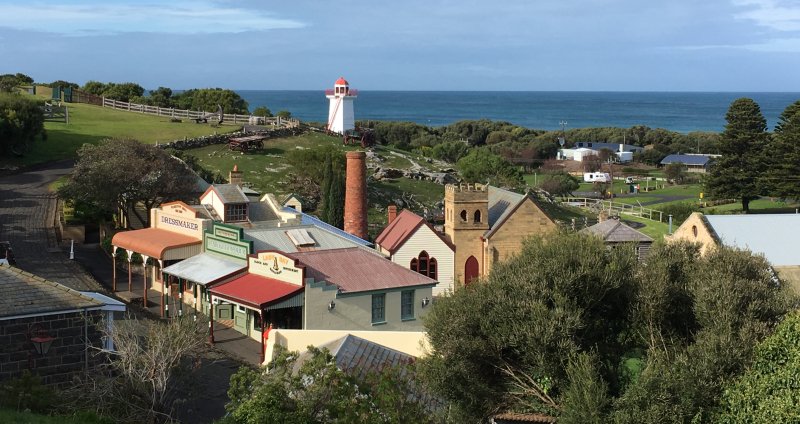
Two words: Flagstaff Hill.
I have been writing since 2014 about the steady decline of Flagstaff Hill and the picture never gets any better – it costs ratepayers at least $500,000 a year to sustain.
This year, the deficit will be higher than last year, and is expected to be at least $600,000.
The Warrnambool City Council says it must save around $700,000 a year from its budget, yet Flagstaff Hill is costing it $600,000. Am I missing something?
At least $6 million of ratepayers’ money has been used to prop up the maritime village since it began dying around 10 years ago, but it is not mentioned in any of the council’s material about rate rises and service cuts.
Instead, the WCC pushes out misleading information and media puff pieces about how well it is all going up on “the Hill”.
It isn’t going well and we shouldn’t take that personally: tourists tastes have changed and they changed a long time ago.
What we should take personally is the complete lack of any accountability for the huge amount of taxpayer and ratepayer money that has been thrown into Flagstaff Hill, all on false promises.

In 2017, the Warrnambool City Council sunk another $1 million into a $3 million taxpayer-funded revamp which included a new sound and light show, a re-styled entrance and changes to some of the exhibits.
The promised spike in tourists didn’t happen and visitor numbers have gone backward, so far backward that, this past summer, Flagstaff Hill volunteers were urged to invite family members to the sound and light show, just to help plump up the crowd.
Despite all of this, nobody has been made accountable for the decision to throw good money after bad.
Not one person within the WCC has stood up and said, sorry, we really got that wrong and this is what we plan to do about it.
Not all council-funded facilities have to make a profit, of course, because they serve a greater good, like libraries, art galleries, museums, playgrounds and recreation centres.
But Flagstaff Hill is a tourism operation that is owned and managed by the council and, as a tourism operation, it should be turning a profit, surely. It used to, but that was many years ago.
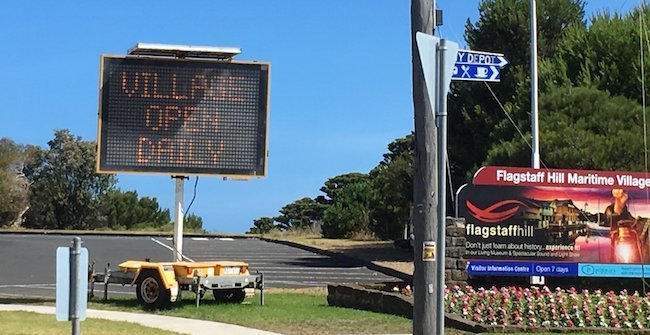
So what is the council’s plan for the future of Flagstaff Hill, other than to keep expecting ratepayers to foot the growing deficit?
Mayor Tony Herbert told the February 4 council meeting that the council was “monitoring the situation” and looking “quite stringently” at its options, which might sound comforting, but tells us nothing.
He then went on to reassure us that Flagstaff Hill still made a significant impact on the economy by encouraging overnight stays in Warrnambool.
Really? I thought people stayed overnight in Warrnambool because they were tired from the long drive down the Great Ocean Road.
And so on it goes, around and around, with no real answers and no obvious plan.
If the council presses ahead with its bid to break the rate cap of 2.5% or cut essential services, then it must explain to ratepayers how Flagstaff Hill fits into the picture.
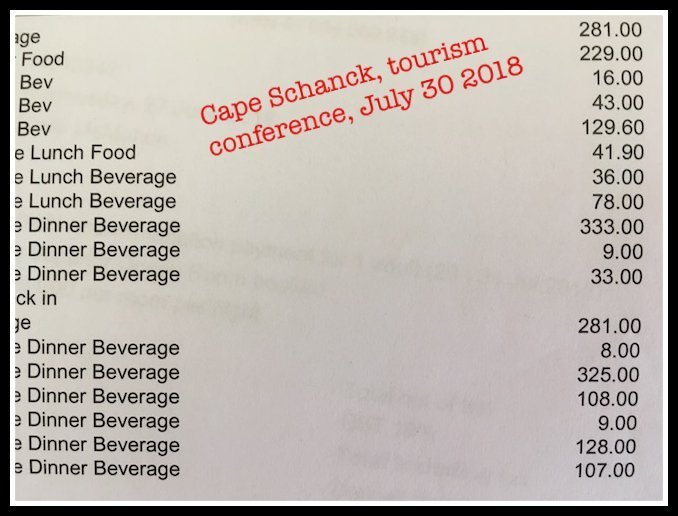
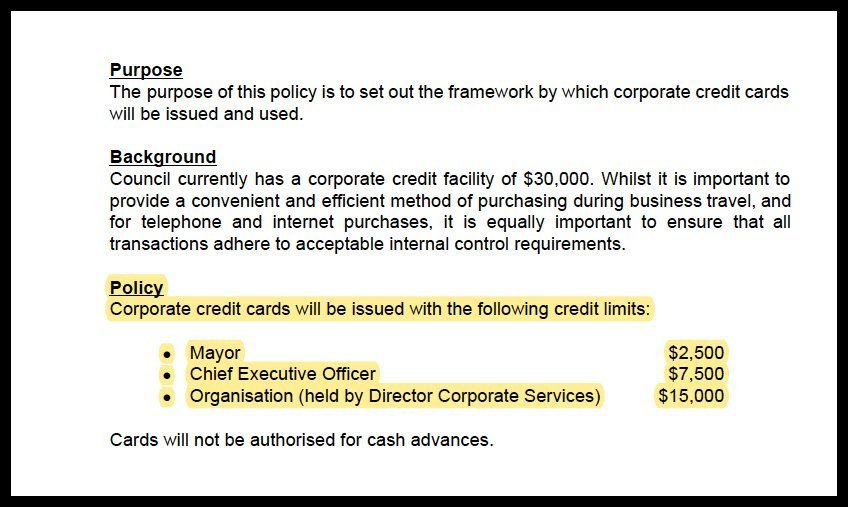
And it surely needs to also explain the use of council credit cards for wining and dining.
And its annual expenditure on consultants.
And the more than $770,000 spent on two toilet blocks last year.
And paying $300,000 more for a Simpson St drainage tender than it needed to.
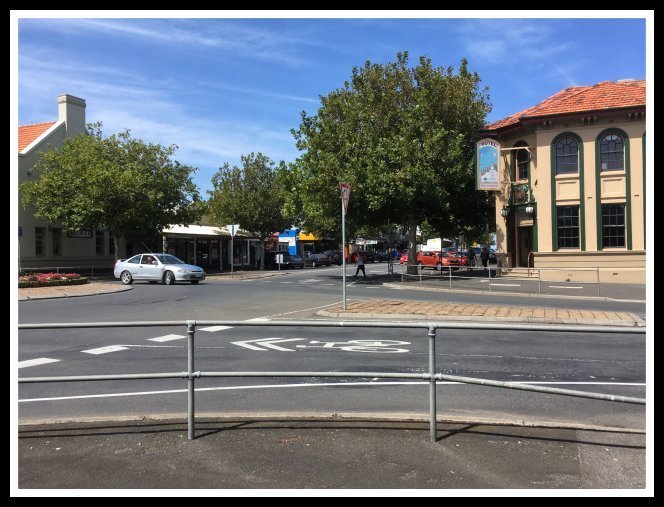
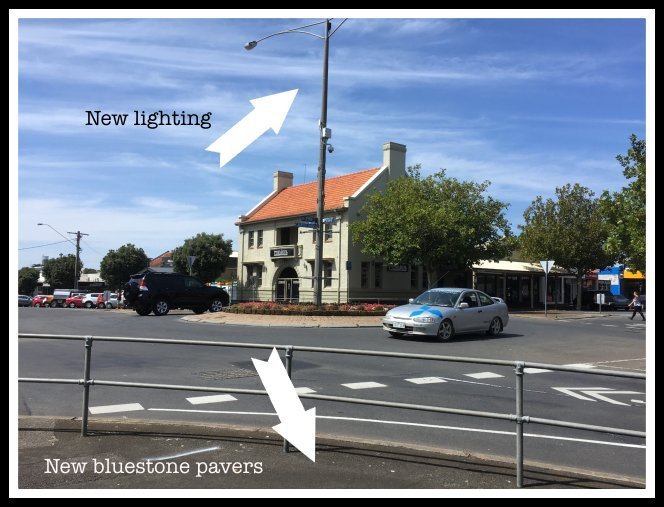
And the $450,000 it will spend on beautifying just one city roundabout this year.
And its corporate marquee at the May Race Carnival that costs at least $17,000 for the day.
Because if we have to save $700,000 a year from the budget for the next three years, this is where we need to start.
Thankyou for hanging in here.
If you would like to see The Terrier keep digging, please make a small contribution below.