Wannon Water fails to address concerns on plant upgrade
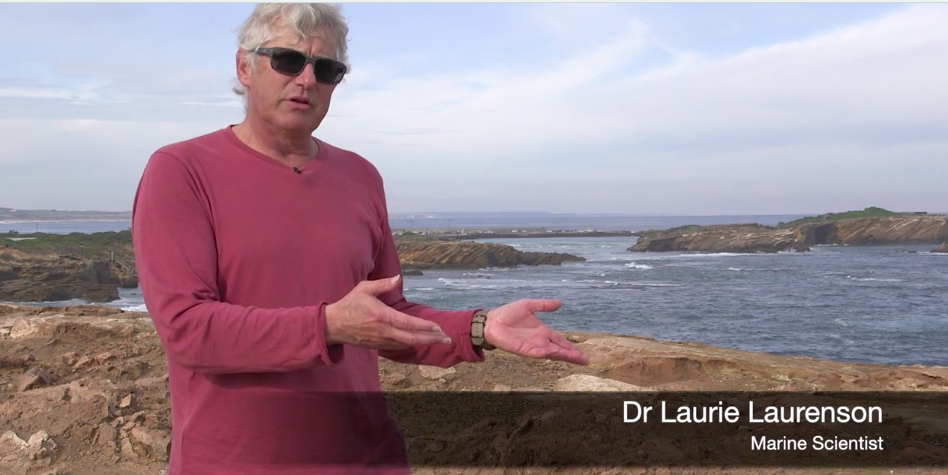
Dr Laurenson has been part of a community pushback against the the proposed Wannon Water treatment plant upgrade. Screenshot: Good Will Nurdle Hunting.

By Associate Professor Laurie Laurenson

[Dr Laurenson is a retired Deakin University academic with research expertise in fish and fisheries biology. He has published more than 70 scientific research papers since the 1980s on various aspects of shark biology, fish biology and remote sensing.]

It’s been a few months since we heard from Wannon Water regarding the sewage outfall upgrade, but recently the EPA released their responses to the public consultation program and we also heard from the Managing Director, Andrew Jeffers.

After reading what the Director had to say and reading through WW’s response to questions posed by the public consultation, I can summarise the situation pretty succinctly: WW’s response doesn’t represent new information nor significant changes to their initial proposal.

They have simply repackaged the original position, with one or two minor tweaks.

Why have I concluded this?

There’s lots of reasons, but I’ll give a few here starting with the pollution that they are discharging into the marine environments and how it mixes and disperses.

We asked WW why winds and currents were not included in their dispersal models (just waves were included) and also why they confined their study largely to 300m from the outfall.

None of these questions have been answered.

In fact, WW has simply stated that they conducted 3D modelling in the mixing zone and that the outcomes were acceptable.

This simply ignores the questions, and provides far less detail about what, where, why and how things were done.

The questions that WW were asked were very specific and the answers were fundamentally intended to lead into community health risk assessment. This is something that should have been done initially, but still is absent.

WW mentions using drones to help with assessing pollution in the mixing zone; this means focusing on the 300m area around the sewage outfall.  Newer drone technology can collect water samples and aerial imagery, but only in good weather.

Regardless, WW is only intending to trial drones, not actually committing to anything with respect to micro-plastic, chemical or biological pollution, and no mention of how often or how widespread the drones would be used.

One of the biggest criticisms we had of WW was the lack of consistent sampling of water quality and the marine ecosystem over time on the wider area towards Lady Bay.

This is likewise still absent in my view.

WW state they have historical data that they can use to answer these questions, but based on their initial upgrade proposal, no they don’t, otherwise they would have – or should have – used it.

Which gets me to community health.

WW have not shown any advances on their understanding of the potential impact of pollutants on the Warrnambool community.

It was pointed out to them that infectious biological contaminants, from their outfall, exceeded World Health Organisation standards under certain environmental conditions.

A reasonable response to this is also missing, but is critically important to us.

To be fair, WW’s response is an advance on their previous position, inasmuch as they are prepared to acknowledge that tertiary water treatment and bio-reactors, which will allow safe oceanic discharged or reuse, should be considered.

But their statements are promises into the future, with no timelines, and certainly a much greater cost burden on the community if left for some future date.

So what can I conclude?

WW is the polluting outlier in Australia, nobody else does what they do, and we should expect more of them.

Its disposal processes represent a clear and present danger to the health of the community that they serve and to the environment that we take for granted.

The response of WW to the public consultation does not represent new information, nor a significant change of position on their part, they have simply repackaged the original proposal, with one or two minor tweaks.

The EPA will make its decision on the Wannon Water proposal on 12 March.

LINKS:

 https://www.wannonwater.com.au/2021/january/updated-proposal-for-warrnambool-sewage-treatment-plant-upgrade.aspx).

Full Wannon Water docs: https://engage.vic.gov.au/epa-works-approvals/wannon-water


Pressure mounts on Wannon Water to end ocean outfall

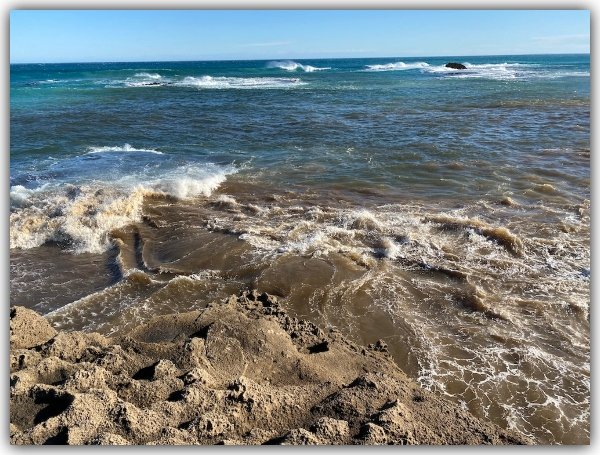
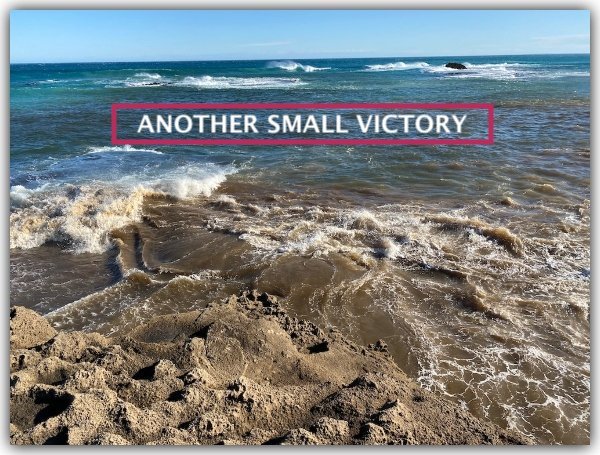
Dirty effluent water off Thunder Point, from the Wannon Water treatment plant. Image: Goodwill Nurdle Hunting.

Carol Altmann – The Terrier

Big news is filtering out of the EPA today which could see Wannon Water forced to lift its game so these “dirty decants” into the ocean off Thunder Point are soon a thing of the past.

The push is to produce only what is called “Class A” water which is not piped into the ocean but – wait for it – reused and recycled.

The fabulous news is that the independent consultant hired by the EPA to look at the public response to the $40m WW plant upgrade agrees!

Agrees!

The consultant is recommending that the EPA requires Wannon Water to move to a Class A/tertiary system within five years.

Five years!

Sorry for the exclamation marks, but I am genuinely excited, because this is a major breakthrough in what has been a very long battle, by some very dedicated people, to bring our city into the 21st century.

If the W’bool City Council is serious about its 2040 Plan, then it needs to demand this requirement too.

I have learned that Class A water is good for just about everything other than a refreshing drink.

It is safe for human contact.

You can wash your clothes in it, water your vegies with it, irrigate your lawn with it….

How very modern and forward thinking, given we are the driest continent on the entire frying pan of the planet.

As it sits, Wannon Water plans to spend $40m expanding the treatment plant so that it can do more of the same for the next 20 years – ie. just keep pumping effluent into the ocean.

To go for Class A will cost another $30m to $40m, which for something which will set us up for the next 20 years, sounds like a good deal to me.

Wannon Water has already put the heebies into people by saying it would also cost an extra $2m to $3m each year to run and customer bills might rise.

When I see the sort of money swishing around the big dairy and meat companies that use our treatment plant, that sounds like small change.

They can afford it and they should pay most of it.

There are 19 recommendations in the report which has dropped onto the EPA website, and I am yet to fully digest them all, but boy, this one – #7 in the 19 – is a ripper.

People power is working and that is why I love, through the Terrier, being a part of it.

By the way, thankyou SO MUCH to everyone who has tipped into the tip jar. I will have an update on all days that have a T in them…..which means, tomorrow!

[You can find the full report here]


EPA puts Wannon Water under the pump over ocean outfall

Carol Altman – The Terrier

Happy news: I am supposed to be taking a break…but there has been a breakthrough with the fight to stop Wannon Water’s plans to continue to pour effluent into our ocean off Thunder Point for the next 20 years.

Before this $40m, more-of-the-same project goes any further, the EPA has asked WW to provide a whole raft of extra, expert detail on, among other things:

1. Public Health Concerns, including assessing pathogens in the wastewater and the impact of humans being exposed to these bacteria and viruses in the ocean, including through seafood.

2. A health risk assessment of the ‘dirty decants’ (like that pictured) where solids and untreated waste water are released into the ocean.

3. Marine discharge concerns, including phosphorous levels.

4. Treatment process concerns, including the dirty decants that the EPA agrees have happened “multiple times in the past two years” and how these will be prevented.

5. Preventing the discharge of microplastics and;

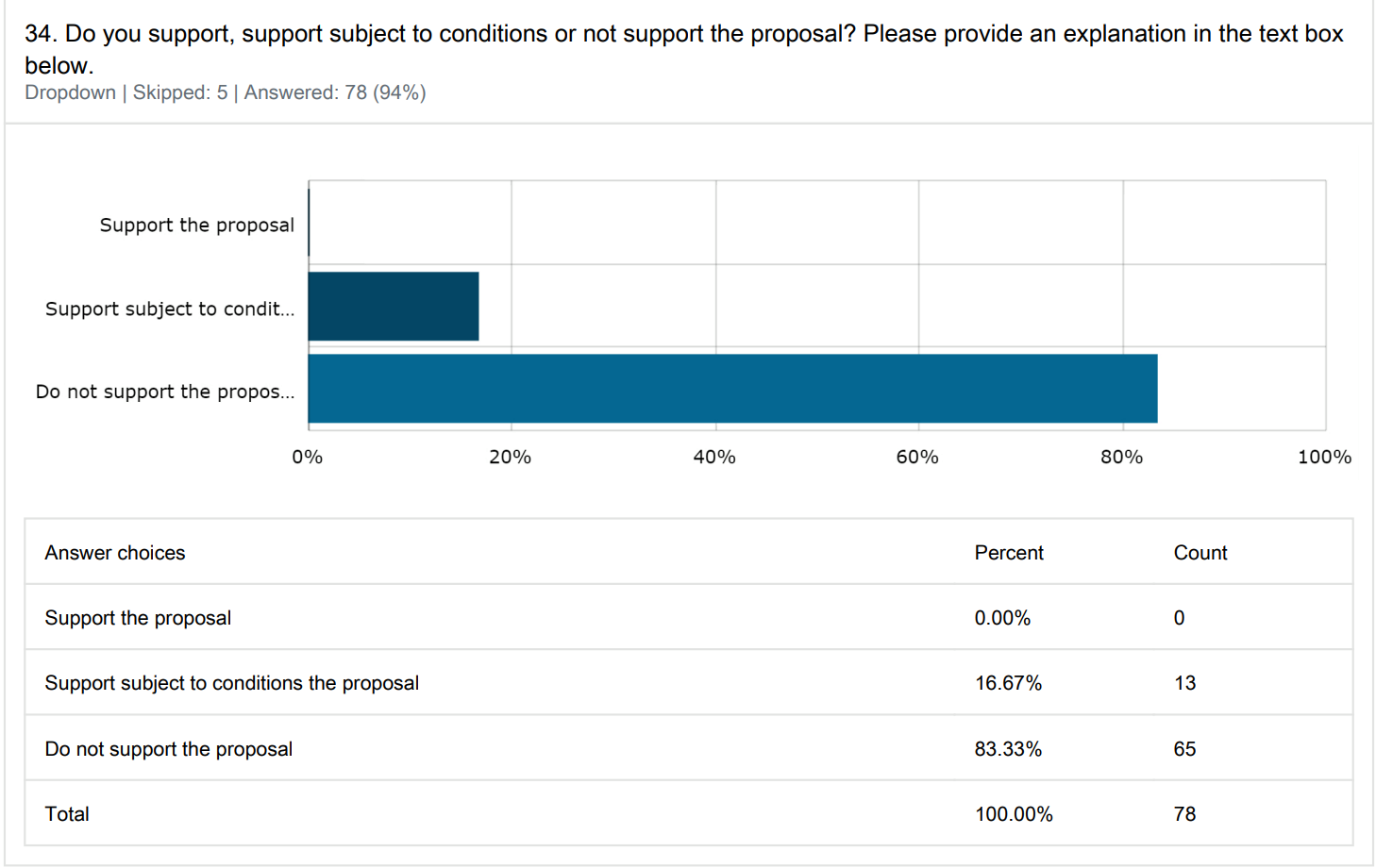
6. Responding to each of the 83 public submissions received on this proposal, of which 78 were against the plan as it stood.

The fight is not over, but my word, this is a victory for the voices and for Colleen Hughson’s bravery in the face of immense corporate pressure, and for all of those people who took the time and effort to say ‘not good enough’ to Wannon Water.

We care about our ocean and we don’t want some cheap option that “will do” for the next 20 years.

Industry needs to sort out its own pollution and not expect to use Thunder Point as a dumping ground, or they should pay more toward making sure this is a first class/tertiary treatment plant that disposes only clean water into the sea.

Our kids and grandkids will thank us for this fight.

I am feeling happy tonight.

You can read the EPA document in full here.

(If you haven’t watched the community video yet, tonight is the night. Most people have/had no idea what is happening out there near Shelly Beach, but they do now.)


What impact will Wannon Water upgrade have on Lady Bay?

One of the many unanswered questions about the Wannon Water treatment plant is its impact on water quality at Stingray Bay and Lady Bay. Image: WCC.

By Associate Professor Laurie Laurenson

[Dr Laurenson is a retired Deakin University academic with research expertise in fish and fisheries biology. He has published more than 70 scientific research papers since the 1980s on various aspects of shark biology, fish biology and remote sensing.]

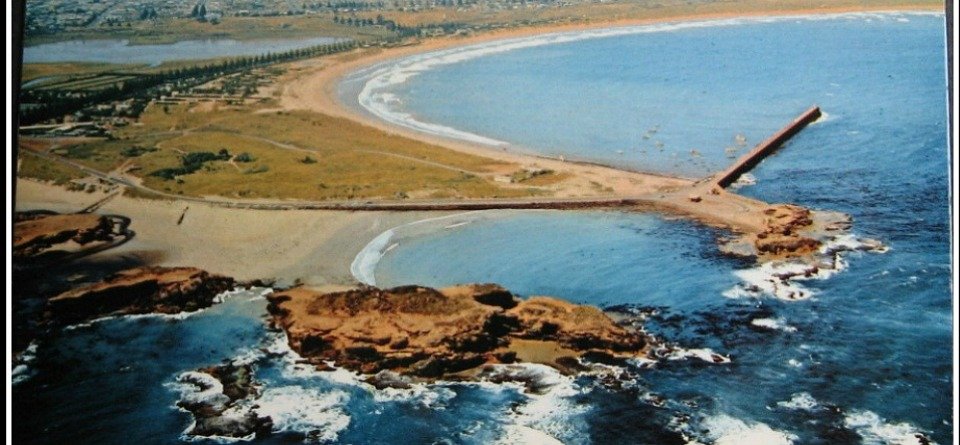
I wanted to get a better understanding of where Wannon Water got its idea that discharging partially treated water into Thunder Point was a good idea.

So I did a search on the internet and found the “Wannon Water Warrnambool STP Upgrade Mixing Zone Modelling And Outfall Assessment” document.

It’s really quite a long document but essentially looks at what biological (E. coli, Enterococci) and chemical (forms of phosphorus and nitrogen) contaminants are being discharged into the ocean and whether Wannon Water is following the rules, and will they be able into the future.

The report says “all is good” and that EPA regulations which stipulate that the contaminants should disperse within 300m of the outfall will be met.

I thought, “well that’s good” and I expected to see the three critical things that would influence dispersal of contaminants nicely organised and documented in the report. The three things being swell, winds and currents. Well, one of them was there!

I’ll digress here, because this is important.

Dr Laurenson is part of a community video that outlines the objections to the proposed upgrade. Screenshot: Good Will Nurdle Hunting.

Winds are the main driver of swell and have an extremely well documented history of inducing currents.

We all know the effect that a few days of SE winds have on the water temperature in Warrnambool (it’s freezing!). This is caused by wind-induced currents travelling from the SE to the NW and then the Coreolis Effect turning the current left, and offshore, and cold water coming up from the bottom.

Now when we have winds coming from the other directions (NW to SE) the reverse happens, currents follow the wind and the surface water turns in towards the coast, so it stays warm.

Back to the report…

The mixing of contaminants in the report relies on a circular (300m specified by the EPA) radius to disperse contaminants to acceptable levels (50 per cent of the time) based entirely on the capacity of oceanic swells to achieve the dispersal – not wind and currents.

A cursory look at where Warrnambool’s wind comes from across the year shows that they come from the SW quadrant 50 per cent or more of the time across each year.

This means discharge at Shelly Beach will be blown towards the Warrnambool beaches at least one out of every two days.

The impact assessment report says that this is okay, since the closest high use beach in the area is the Flume roughly 3km away.

In fact the closest beach is Stingray Bay which is 1300m.

So here’s the problem.

On page 69 of the Wannon Water Report, it provides an “adopted minimum dilution rate” graphic which tells us how far the contaminants can spread.

This graphic is based on samples collected at a distance from the outfall of 400m (and less) with just a single sample taken at 750m.

Their predictions are based on three samples (presumably a few days in 2009, 2015 and 2016) that are assumed to be representative of the weather conditions across the entire year.

Their predictions are highly extrapolated outside their data range and based on simple linear regressions which are unlikely to be statistically significant (the significance has not been tested).

The science is poor at best.

The problem is that the degree of dispersal of contaminants beyond the 300m radius of the Wannon Water outfall has not been addressed in any meaningful way in that it excludes wind and currents, and further, the data that they have collected extrapolates well beyond the bounds of existing data.

It means that the report simply does not address the impact of the pollutants released from the outfall on the main recreational beaches of Warrnambool.

To be fair, the report states that it essentially focuses on the EPA stipulated boundary of 300m and that the pollutants do not exceed critical levels specified by the EPA for 50 per cent of the time.

However, the pollutant levels really need to be assessed at Stingray Bay and Lady Bay during wind and current conditions that will result in them being transported into these high use areas.

Given the prevailing wind conditions, this will happen at least every second day across every year.

And it’s not just the chemical and biological contaminants that will disperse in this way, it’s also the plastics that have repeatedly been released by the facility over many years.

You can find out more about the proposed treatment plant upgrade here and sign up for the online forum this Wednesday August 5 at 7pm.


Zero support for Wannon Water sewage treatment plans

A “dirty dump” of effluent from the Wannon Water treatment plant released off Thunder Point last month. Image: Good Will Nurdle Hunting.

Carol Altmann – The Terrier

Let’s end the week on a high note!

It turns out lots of people really do care about the treated sewage being pumped into the sea off Thunder Point by Wannon Water, with an incredible 83 submissions to the EPA about plans to keep doing more of the same for the next 20 years.

83!

Wow! This is fabulous! The overwhelming majority of responses were AGAINST the proposed plant upgrade that will double the capacity of the plant, using the same technology and methods which are already considered out of date.

In fact of the 78 people who answered the question of whether they support the plan as is, not one person said yes.

Thirteen said they would support it with changes and 65 were firmly against.

The people have spoken – now the question is whether Wannon Water will listen.

Because there were so many responses, the EPA will hold an online conference to hear more about the community concerns and ways they may be resolved.

(Details on when this will be held are yet to be announced.)

In the meantime, you can read all the submissions and a summary here: https://engage.vic.gov.au/epa-works-approvals/wannon-water
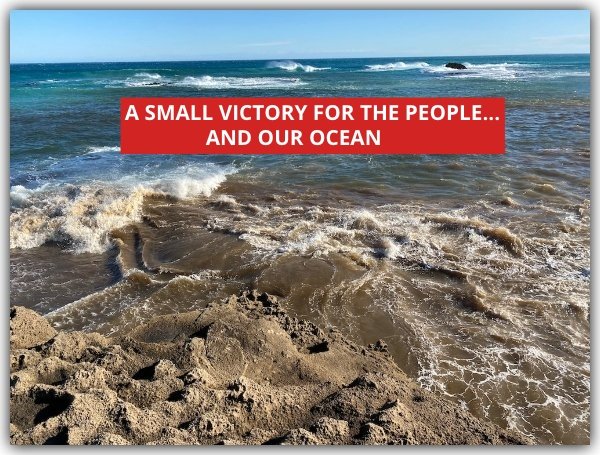
Thankyou to Colleen Hughson and all of the Good Will Nurdle Hunting team, the Beach Patrol 3280 team and the Clean Ocean Foundation for helping us to get our %#%@! together and have a say.