Fishing for great stories from Fletcher Jones

anne skepper_2
Anne Skepper Van Bakel back at the scene of the “crime”, where as a little girl, she was caught red-handed trying to fish coins out of the wishing well at the Fletcher Jones Gardens, Warrnambool. These stories are now being collected as part of a social history project.

By Carol Altmann

[dropcap style=”font-size: 60px; color: #A02F2F;”] T[/dropcap]hey are words that will send a chill into any child’s heart who is up to a bit of mischief: “Oi, what do you THINK you are DOING?”

Anne Skepper van Bakel still remembers the sound of the booming voice, and what she was “doing” was leaning into the wishing well in Warrnambool’s Fletcher Jones gardens, helping her older brother, Bob Markwell, as he tried to pull the coins through the protective grid using a sharp stick topped with a lump of chewing gum.

“As if it was ever going to work,” Anne says, laughing at the 44-year-old memory of getting caught red-handed by Fletcher Jones worker Allan Jennings.

The pair, however, came up with the perfect excuse as to why they were both “fishing” in the wishing well, which is still a feature in the garden’s today and is still used to collect money for charity.

“We told him we were trying to get our chewing gum back!” Anne laughs.

anne skepper
The daily dispatches at Fletcher Jones, written by Eric Tonkin, captured all manner of happenings, including the wishing well “incident” which caused great laughter.

[dropcap style=”font-size: 60px; color: #A02F2F;”] N[/dropcap]either Anne or Bob managed to retrieve either a 20 cent or 10 cent piece which, in 1971, was enough to buy a sizeable bag of lollies and maybe even a pie from the Flaxman St milk bar about 100m down the road.

But their ingenious attempt was enough to warrant the attention of the late Eric Tonkin who, as part of his duties at Fletcher Jones, compiled the daily staff newsletter.

In his recording of the event, Eric describes the culprits as two little girls (young Bob had longish hair) and praises them for their quick comeback line.

“What would a poor silly male say if caught in this impossible situation? He would be absolutely stumped!” he writes.

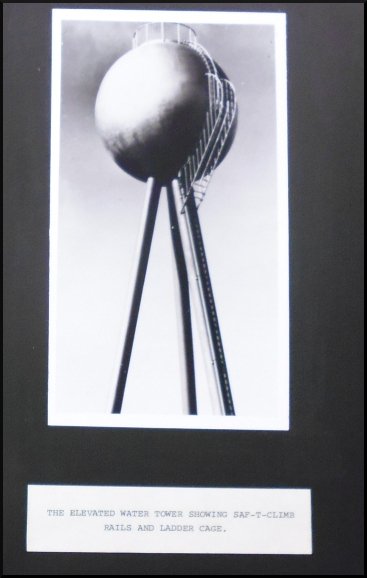
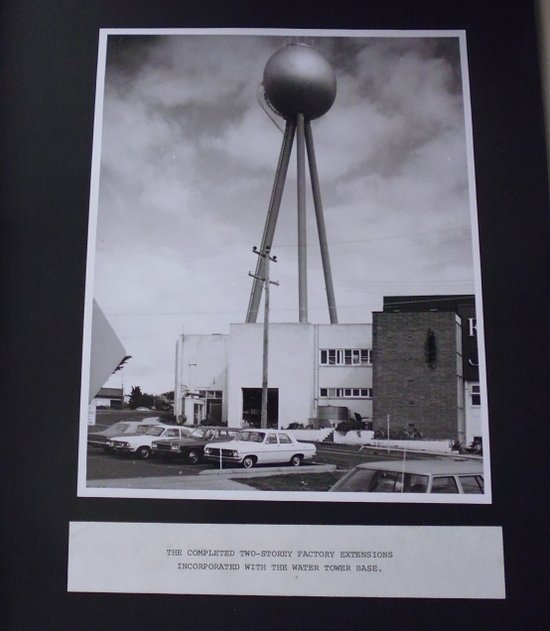
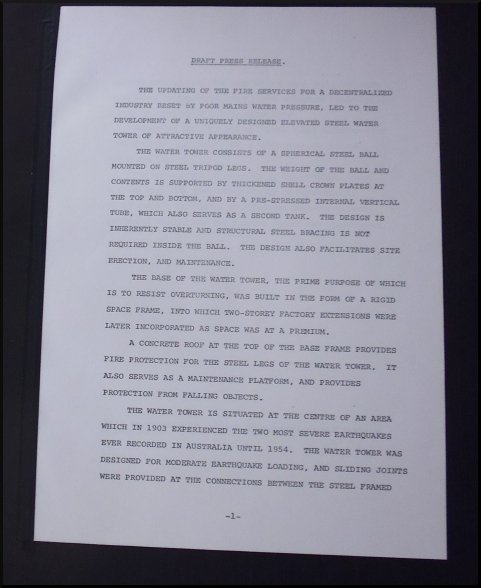
About 400 of these newsletters have been passed on by Eric’s family to the Fletcher Jones: Stories from our Community project that will kick off later this month in an effort to collect the best of the many thousands of community stories and memories around the Fletcher Jones factory, Pleasant Hill gardens and silver ball water tower.

bun bag
Generosity of spirit: Tim Carlton’s bun bag, kept from when Sir Fletcher had fruit buns flown in from Adelaide for morning tea. Image courtesy Julie Eagles/Tim Carlton.

[dropcap style=”font-size: 60px; color: #A02F2F;”] P[/dropcap]roject coordinator Julie Eagles says it is stories that bring history to life and make a community care about its built heritage.

“The strong community connection to the Fletcher Jones site is what has saved it, in the end, from demolition by neglect,” she says.

“There is something very special and very interesting about this site and it is really a part of people’s lives – not only from the past, but today – so it is not just about telling a story, but making those connections.”

Anne’s wishing well story is just the sort of gem that the storytelling project is hoping to uncover when it holds two sessions at Archie Graham Centre later this month and early September (see full details below).

Another of Julie’s favourite stories is that of Sir Fletcher organising to have freshly baked fruit buns flown from Balfours, in Adelaide, to the Warrnambool factory for a staff morning tea. Thanks to her work with former employee Tim Carlton, who is now 95, there is even a surviving bun bag to prove it.

The project has also uncovered the little known fact that Sir Fletcher converted a school bus that sat on a beachfront block at Port Fairy and was made available free to staff and their children for school holidays.

“We are now at the point where we are ready to start gathering these stories, to see what’s out there, and then we can look at how those stories will be presented,” Julie explains.

Ideas so far include an online archive, a book, and an exhibition, while plans are also afoot to install a 6m photographic panel on the side of the Fletcher Jones factory, showing some aspect of its past.

alex wilkins video
A short video by the late Alex Wilkins which captures factory life. Video courtesy of Warrnambool Historical Pictures: Alex Wilkins Collection.

[dropcap style=”font-size: 60px; color: #A02F2F;”] A[/dropcap]nne, who has just recently returned to live in Warrnambool, has a few more tales of her own, and says growing up on nearby Barkly St meant almost daily visits to the Fletcher Jones gardens, which “we thought of as our backyard”.

“There was one time when I thought it would be a good idea to take a goldfish home from the Fletcher’s goldfish pond – I really wanted a goldfish,” she says.

“So I wrapped it up in my jumper and ran all the way home with it, but when I got home, it was dead as a doornail. I was so disappointed!”

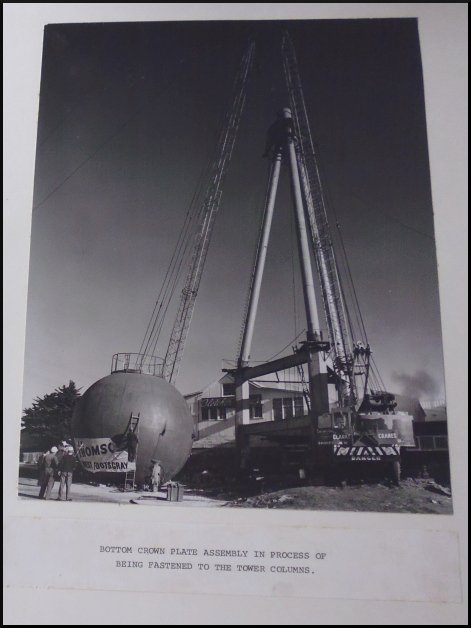
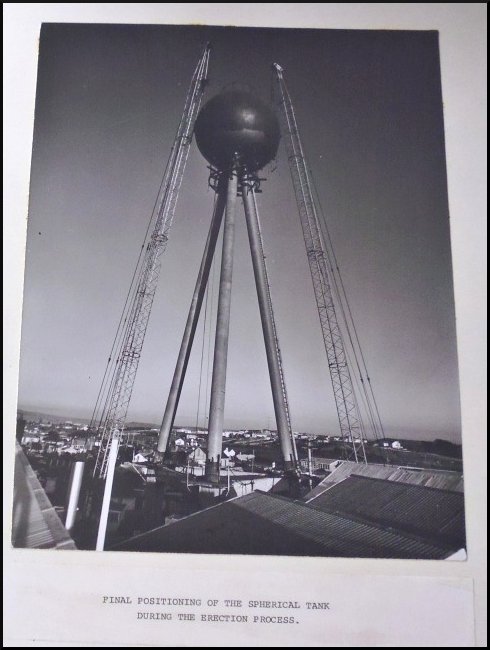
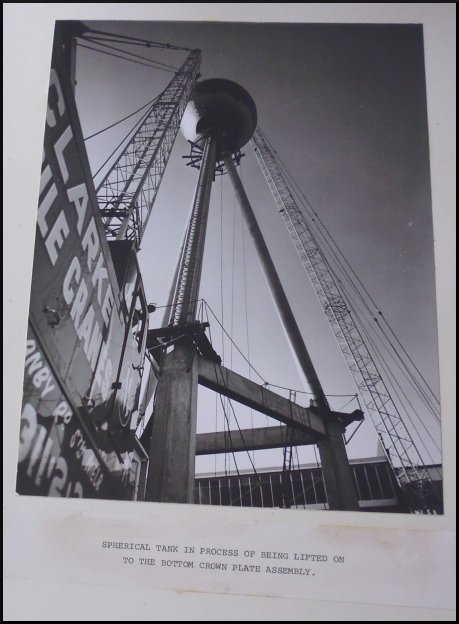
One of Anne’s best stories, however, is from the day the silver ball was hoisted into the sky in 1967 – an event that changed the landscape of Warrnambool.

“A worker told me that it was going to be filled with Coca Cola and I thought, ‘wow, I’ve got the scoop here!’ so I didn’t tell a soul.

“I then kept going back to see if I could catch any drips, but there was never any drips and there certainly wasn’t any Coca Cola.”

The stories project has been funded by a grant from the Gwen and Edna Jones Foundation and by the family of the late Sir Fletcher Jones.

former employees
The stories of the people – workers, families, visitors and all those who have had a connection to the Fletcher Jones site – are now being collected for a new project. Image: Save the Silver Ball and Fletcher Jones Gardens.

[box]What made Fletcher Jones special or interesting? Did you, or someone you know, work there? Bring along a photo or an object or just come and share stories over morning tea – the best stories will become part of a collection and yours could be one of them! Wed Aug 26 and Wed Sept 16 @ 10am, Archie Graham Centre, Timor St, Warrnambool. Bookings essential: (03) 55594892. To keep up to date with this project, join the Silver Ball and Fletcher Jones Gardens Facebook page here.[/box]

[button link=”http://the-terrier.com.au/subscribe-2/” type=”icon” icon=”heart” newwindow=”yes”]Bluestone is aiming for at least 500 subscribers in 2015. If you enjoyed this story, please click here to become one![/button]

newsletter Eat And Drink StonesYou can read more Fletcher Jones related stories here…


No cutting corners: Jack Hancock joins Fabrication II

Fletcher Jones cross will light up again
Motor Museum to revive Fletcher Jones site

All words, no funding, for the Fletcher Jones story


Rare images of FJ silver ball

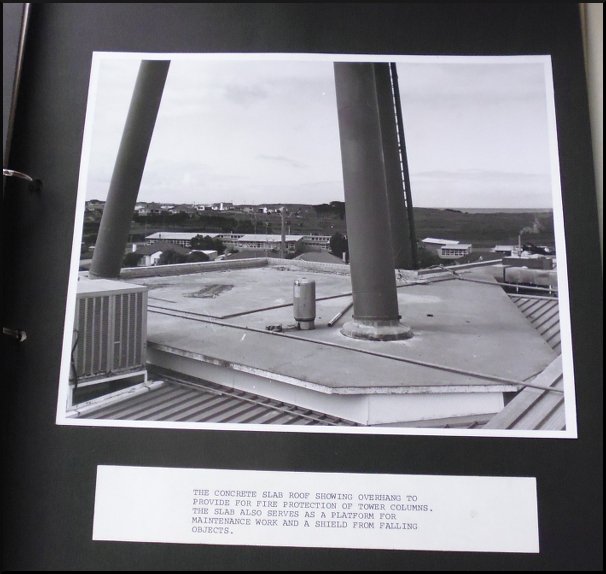
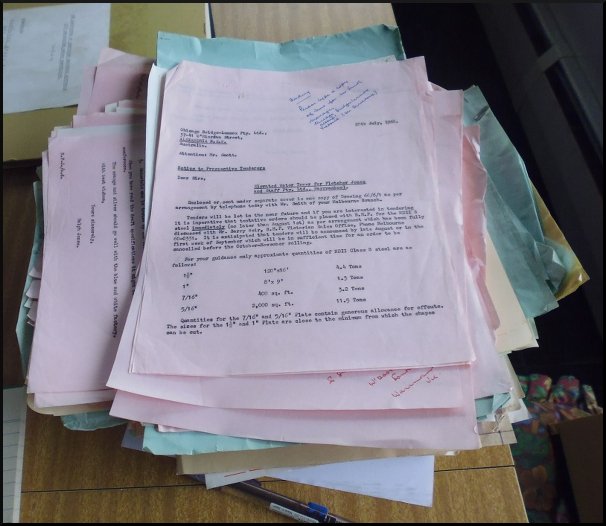
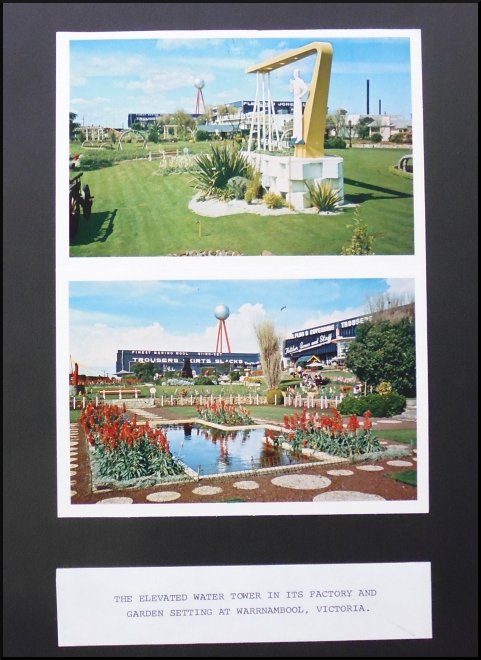
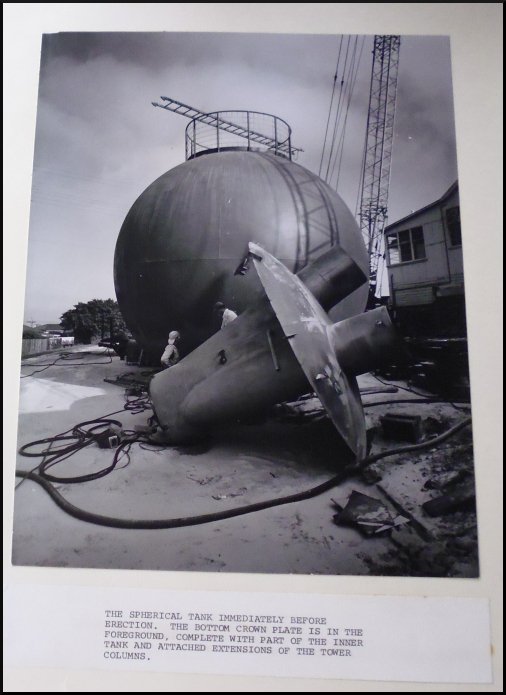
[box]Bluestone Magazine would like to thank Melinda Barrie from Melbourne University Archives for providing us with some examples of the images contained in a collection of items donated to MUA by Ralph Jones (Ralph Jones Construction Engineering Services) who engineered and constructed the unique water tower for the Fletcher Jones factory in Warrnambool, 1965-67. Citation: Ralph Jones Water Tower Submission and Business Papers, 2014.0112, Box 1, University of Melbourne Archives.[/box]

ball ground2

ball ground


ball cranes copy


ball crane 2

ball-legs

ball in place

ball2

drawings

words ball

ball documents

postcards

[button link=”http://the-terrier.com.au/subscribe-2/” type=”icon” icon=”heart” newwindow=”yes”] Do you know somebody who would enjoy this story? Encourage them to subscribe to Bluestone![/button]

newsletter Why Not Stones You might also enjoy:

Rare images emerge as FJ story collection begins

Motor Museum to revive Fletcher Jones site

A different way of doing things: Dean Montgomery

Imagine the skyline without Fletcher Jones


Fletcher Jones cross came a cropper

ball01
Brian Fitzgibbon and Anthony Kelly winch the original Fletcher Jones cross up the silver ball for one of the last times. Image courtesy Amy Fitzgibbon.


[dropcap style=”color: #a5cecd;”] T [/dropcap]he mystery of the missing Fletcher Jones cross has been solved, and, unfortunately, the ending is not pretty.

As we wrote recently, the very first illuminated cross that sat on top of the Fletcher Jones silver ball water tower in Warrnambool every Christmas and Easter for about 20 years has not been seen since it was removed from the ball sometime in the 1980s.

The replacement cross – made of aluminium – has also since been replaced by a newer, more eco-friendly illuminated cross that no longer tops the silver ball, but the Warrnambool Uniting Church in Koroit St.

One of the few people who knew the first two crosses intimately was Brian Fitzgibbon, who worked at Fletcher Jones’ for 15 years as a leading hand in the maintenance department.

“It was made of galvanised iron folded over, with fluorescent lightbulbs running up each of its sides, that were then covered in perspex: all of which made it very, very heavy,” Brian said.

The cross, which was made by Bill Lovell and Alan Beales, was winched into place before each Christmas and left until after Easter, but one year things went awry.

“It was blowing an absolute gale, harder than it’s even blowing today,” Brian said.

Amid the atrocious conditions, the cross was hauled into place but, Brian now confesses, he forgot to fully secure one of the toggles that held the cross in place.

“So the wind is working away, working away, and the toggle is getting looser and looser and eventually the cross crashed completely on its side,” he said.

The cross broke in half from the fall and was partly dangling over the side of the silver ball in a spectacle that was apparently captured by the local newspaper, The Warrnambool Standard.

Unfortunately Brian can’t remember the exact date that it happened, but he does remember the awful guilt at having not fully secured the toggle.

“I will admit it, I am the one to blame,” he said.

The damaged cross was relegated to the skip bin and a new, aluminium cross – the one now in storage at the Warrnambool City Council depot – was hastily assembled to appease a very unhappy public.

“We modelled the new one on the star that they used to have at the Warrnambool Drive-In, which had lights all around the outside,” Brian said.

“It was so, so much lighter and easier to handle.”

[button link=”http://the-terrier.com.au/subscribe-2/” type=”icon” icon=”heart” newwindow=”yes”] Did you enjoy this story? Please subscribe here to help Bluestone thrive.[/button]

Stones Smile newsletterYou might also enjoy…


Who is the Granny, behind Granny’s Grave?

Colonial oven still makes a crust, Dunkeld

Secrets of an old shoe 

Restoring a treasure back to life: 222 Timor St Warrnambool


A quiet hero who flies like an eagle

julie eagles alice ugle

[dropcap style=”font-size: 60px; color: #DC943C;”] T [/dropcap]wo very inspiring and uplifting things have happened around Warrnambool in the past few weeks and a woman by the name of Julie Eagles has been at the centre of both.

Julie, pictured left, with Alice Ugle, was one of the key organisers of the hugely successful 150th anniversary celebrations of the Framlingham Aboriginal Reserve that last month saw hundreds of people enjoy a day of Koori culture, history and pride in a community that is only 30km from Warrnambool, but which many people had never visited before.

The anniversary event changed all that and Julie, together with Alice and the rest of the organising team, artists, musicians, volunteers and supporters, created something very special that people are still talking about – and hope is repeated, if perhaps on a smaller scale.

Running alongside the Framlingham event has been Julie’s ongoing volunteer work as a community campaigner to save Warrnambool’s heritage, including the Fletcher Jones silver ball and the best of the former factory site.

[dropcap style=”color: #dc943c;”] J [/dropcap]ulie, as part of the Warrnambool Planning and Heritage Group and more recently the Save the Silverball and Fletcher Jones Gardens group, has lobbied for more than two years to see positive steps taken toward saving this site and, last week, it was finally sold to a developer who, it appears, is sympathetic to its heritage.

At the very least, Julie has been pivotal in ensuring the heritage aspects of the FJ site are now front and centre of the public discussion and many eyes are watching to see what unfolds: quite an achievement after 10 years of buck-passing over the landmark.

To be an agitator in a regional city is not easy, but Julie manages to educate, motivate and empower people toward taking a stand by stating the simple facts and offering alternative ideas.

For this, and her sheer determination to keep fighting, she is our Quiet Hero.

[box] Julie will receive a coffee and cake voucher from Rocksalt, Port Fairy, and we have another coffee and cake voucher for Alice Ugle from The Pavilion, Warrnambool. Thankyou to Rocksalt (Bronwyn and Sarah) and The Pavilion (Mary-Ellen and Jon) for supporting our quiet heroes.[/box]

Pavilion-Inverse-smallRocksalt-hero


[box type=”bio”] If you know somebody who you think is deserving of a Quiet Hero, please email us at editor@bluestonemagazine.com.au[/box]

[button link=”http://the-terrier.com.au/subscribe-2/” type=”icon” icon=”heart” newwindow=”yes”] Did you enjoy this story? Please subscribe here to help Bluestone thrive.[/button]

newsletter Why Not Stones  Meet our other Quiet Heroes…


Warrnambool’s own Laverne and Shirley

Giving voice to the Portland community: Hilary Endacott

Helping mend broken family ties: Jenny Fawcett

Lost history finds loyal following: Lost Warrnambool

Australia Day awards – did we forget someone? Vicki Jellie

Oh Possum, you’re a hero in the heat: Nalini Scarfe


David Jones Jr on the future of the FJ site


silver ball, fletcher jones, mark rashleigh
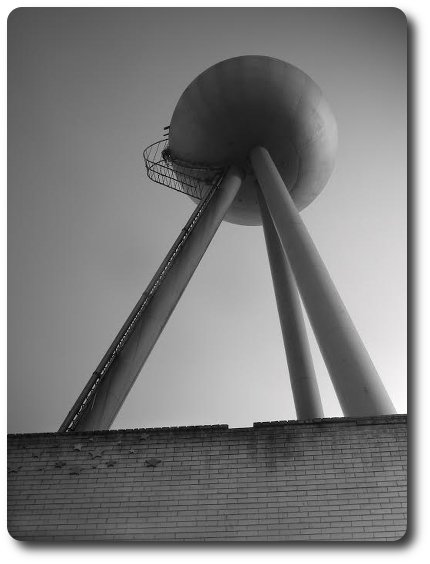
This stunning image of the Fletcher Jones’ silver ball was taken by Deakin University fine art academic Mark Rashleigh who has kindly given us permission to reproduce it here. It depicts the tower with its ladder and railings intact.


OPINION

[dropcap style=”font-size: 60px; color: #ABCCAB;”] A [/dropcap]s Heritage Victoria prepares to inspect the dilapidated Fletcher Jones factory in Warrnambool next Monday (7/4), the grandson of Fletcher Jones said his family would be delighted to see something “creative” happen with the site.

In so saying, however, David Fletcher Jones Jr said that his family fully appreciated the complexity of the situation that has developed since the current owner, Daramking (owned by failed Geelong businessman Ian Ballis), went into receivership in 2012.

“I am anxious to stress that we recognise how challenging this all is,” Mr Jones said in an exclusive interview with Bluestone.

Mr Jones is the son of the late David and Isobel Jones and lived in Warrnambool until his teenage years. As a result, he is keenly aware of the connection that many people feel to the Fletcher Jones factory site because of the high esteem in which his grandfather was held.

“How the site looks today is very sad,” he said.

“Everyone would like to see something better done with it.”


old fj gardens shot
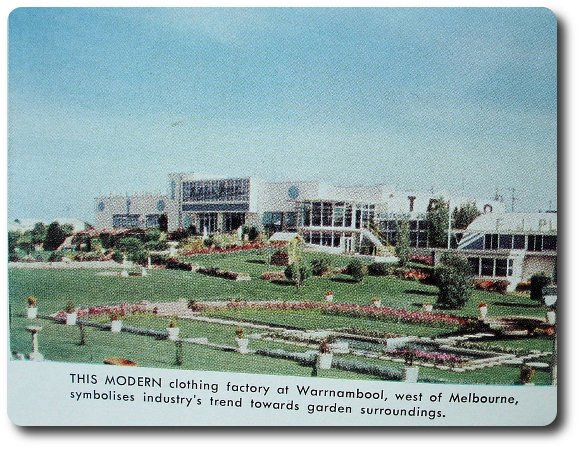
Fletcher Jones factory, Warrnambool circa 1950’s. Photo source: Land of the Southern Cross Australia. Published by The Australian Publicity Council. Private collection.


[dropcap style=”font-size: 60px; color: #ABCCAB;”] M [/dropcap]r Jones, who with his sisters, Susan and Anne, oversees the philanthropic FJ Foundation, said the debate around the future of the site reinforced that there was no easy answer and a solution would require a “thorough engagement with the council and the community”.

“Quite a complex and thoughtful solution is going to be needed,” he said.

“And we would be excited if something thoughtful and appropriate could be done.”

While Mr Jones did not wish to specify what sort of development he would like to see on the site, he agreed that a project that linked to the broader community would certainly reflect the values of his grandfather.

The Jones’ family have had no direct involvement in the FJ factory site since the company was sold in 1995, but the personal links remain strong.

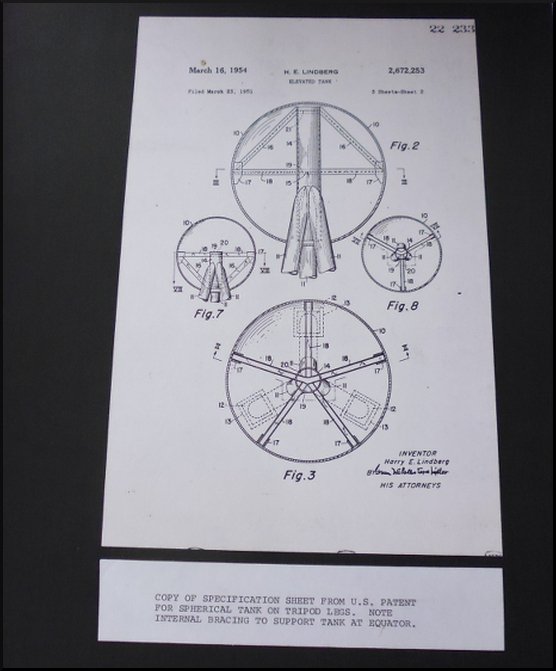
The water tower was designed by Fletcher Jones’ son, Ralph, who was a consulting engineer and is now aged in his 80s. The Pleasant Hill gardens, meanwhile, were designed by Fletcher Jones’ brother-in-law Darby Boucher.

The heritage-listed water tower, gardens and other key elements of the iconic site have been central to recent discussions between Heritage Victoria, the Warrnambool City Council, the administrators and the mortgagors as to who has responsibility for maintaining these historic elements.

A Save the Silver Ball and Fletcher Jones Gardens group has also added a strong element of grassroots community activism.


inside fjs

[dropcap style=”font-size: 60px; color: #ABCCAB;”] I [/dropcap]n the meantime, the various tenants occupying different parts of the building are still paying rent and, in most cases, repairing what they can as the building continues to crumble around them.

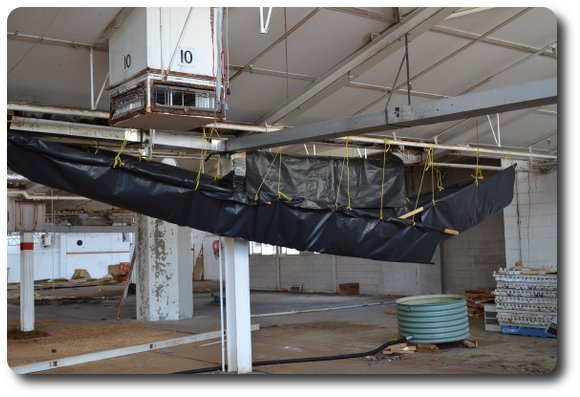
The Triton Woodworkers Club, for example, pays around $9000 a year for a space directly under the silver ball that is substantial in size, but leaks like a sieve whenever it rains.

The club has rigged up an improvised internal drainage system that keeps most of the rain off their equipment – if not the floor –  but an outsider can’t help wondering why they are being charged anything at all, especially as a not-for-profit community group who, simply by being there, help to keep the vandals out.

So where does the long-term solution to the site lie?

Hopefully a constructive plan will emerge from the talks between the various parties, but, in the meantime, it is worth revisiting a key recommendation of the 2003 consultants’ report, commissioned by the council, into the site’s future.

It suggested the council, even if it no longer owned the site, keep the dialogue open between the community, any developer and the council to ensure its future life was in keeping with community expectations.

To date, this has not happened. This may change and, if it does, we may be on our way to the “thoughtful and appropriate” solution that such a high-profile and important site deserves.

[box] Postscript: According to the Warrnambool City Council, it spent almost $160,000 on the Fletcher Jones site between 2002 and 2008. A breakdown of this figure was unavailable, but it included repairs on the silver ball after an assessment in 2004.[/box]

newsletter Art Music Stones More on the Fletcher Jones campaign…


Who will step up for Fletcher Jones?

Close Flagstaff Hill; save Fletcher Jones

Don’t drop the ball on FJ’s icon

Mini FJ’s silver ball to shine again for festival

Fletcher Jones site taken off the market 

The Save Fletcher Jones campaign