All go, go for FOGO? Well, yes, yes and no, no
Carol Altmann – The Terrier

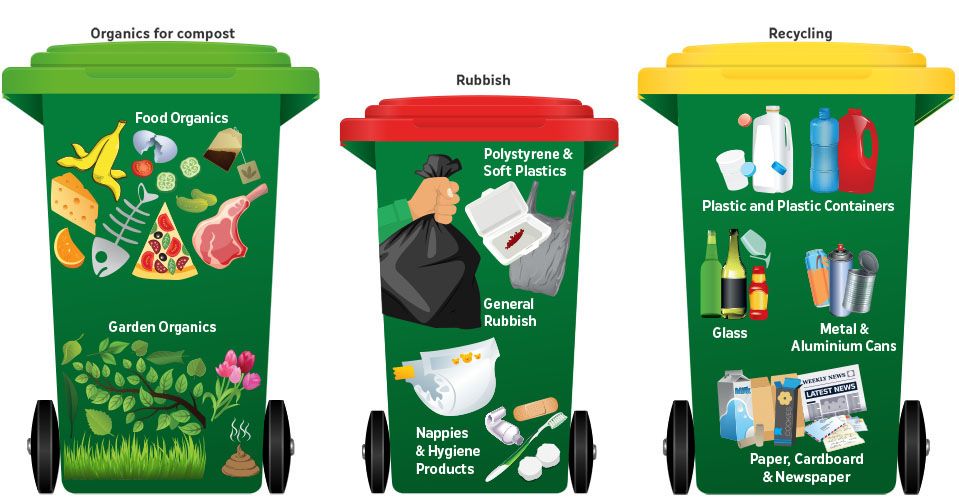
The Warrnambool City Council’s new organic waste collection is a terrific move, but it could take a year or more before the service actually reaches your street.

Until this week, I didn’t know that the new service – best known as FOGO – could take up to three years to roll out fully across Warrnambool. Did you?

Let me explain.

As has been well publicised, the council ran a pilot of the FOGO service with about 1700 householders in the first half of this year and it was wildly successful. No surprises there; we are a green-minded city.

Buoyed by this success, the council decided several months ago to roll out the service to everyone and I, like most others, couldn’t wait to get that extra bin so organics could be sent off to be composted, rather than dumped in landfill.

In the meantime, the council sent out its 2018/19 rates notices which included a $69 increase in the waste management fee, up from $287 to $356 per household.

As then-Mayor Robert Anderson explained, the sharp increase “covers the rollout of a Food Organics, Garden Organics (FOGO) collection service and also the increase in cost to process recyclable materials”.
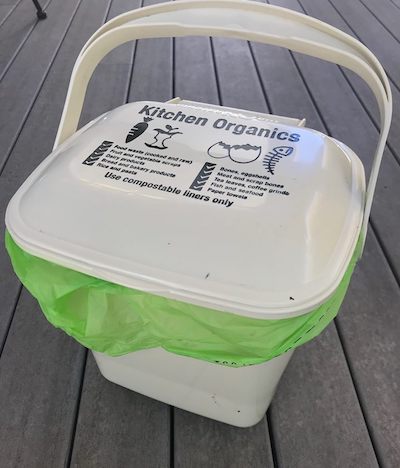
Coming to a kitchen near you – the FOGO rollout includes delivering kitchen caddies and bin liners to each home, like these recently delivered to residents at the Mill.

But this is where things get confusing: just because you are now paying $356 for your rubbish collection doesn’t mean you will get the FOGO service immediately.

It could take months and possibly even years, depending on where you live in Warrnambool.

The council hopes it won’t take that long, of course, but in July this year it flagged that the full roll out across nine pick-up areas, each of about 1600 bins, could take up to three years.


I must admit that I missed that memo and, like others, was wondering why I still hadn’t got my FOGO bin?

Just last week the council announced the winning tenders for picking up the organics, processing it and composting it, with all of these contracts to start from July next year.

So the situation for now is that some Warrnambool residents already have FOGO, some Warrnambool residents are getting FOGO as we speak, and others, like my little household, are waiting to find out when it will arrive.
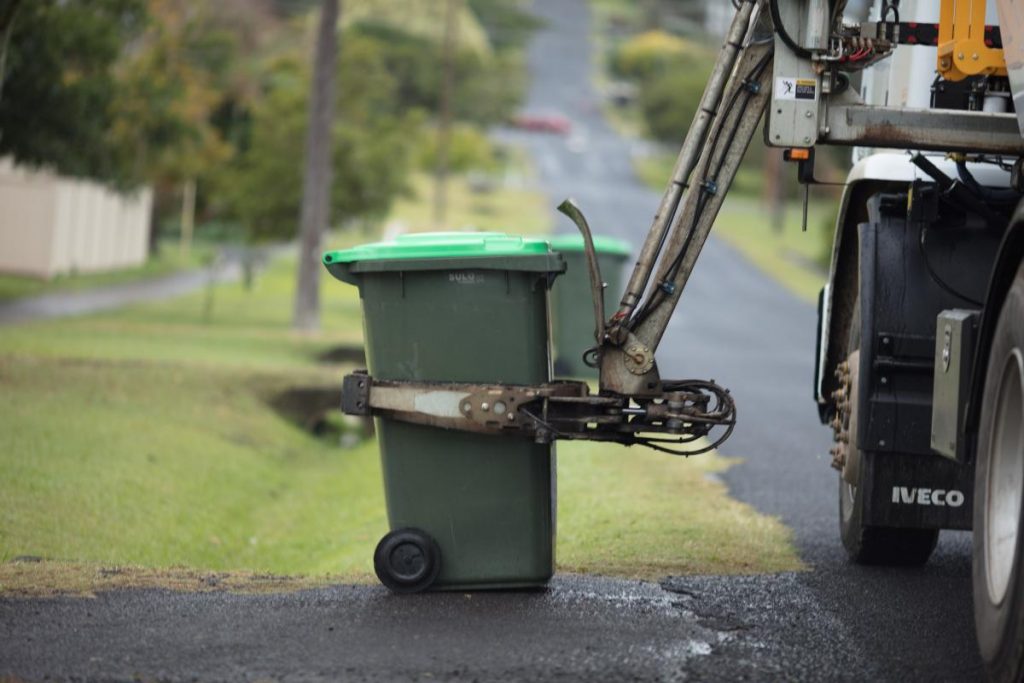
Green bins are on the march in councils around Australia, like Richmond Valley (pictured).

One astute reader asked me earlier this week whether a council can legally charge all ratepayers for a waste collection service that is only being used by some.

It is a good question, but the answer is yes, because, as the council points out, it is still collecting all of your rubbish – including organics that are now going into landfill via our normal old rubbish bins – and this all costs money.

“The FOGO component is allowing us to progressively roll out the FOGO collection which means that we will transition out of collecting (organics) in rubbish bins and move towards the separate collection of (organics), which will then be processed into compost,” council spokesman Nick Higgins said via email.

“While it may have been seen as preferable to roll out a complete FOGO service simultaneously across the city there were practical challenges with doing this,” he said.

Mr Higgins said the council was keen to get things moving as fast as it can and had applied for funds to help speed up the process.

“Council has applied for a grant to assist with the rollout of the dedicated FOGO collection and it is hoped that the full rollout of FOGO across Warrnambool will occur quickly,” he said.

What this all means is that, for the time being, FOGO is slow-go, but we are at least making a start on reducing the 3000 tonnes of food and other organics that are now being dumped into landfill.

Keep the Terrier typing!

Donate


It will soon cost $70 to register your dog – and here’s why

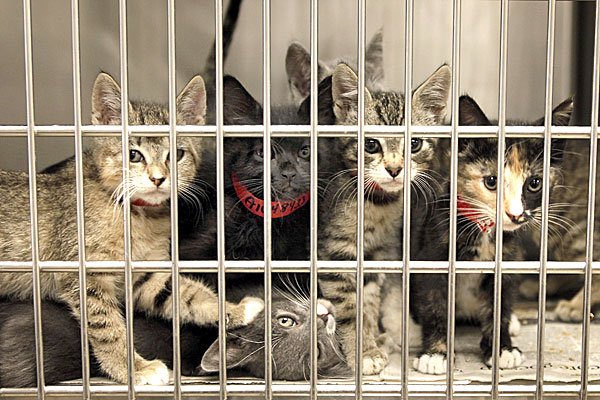
More than 10,000 cats a year are left at the RSPCA across Victoria, part of the reason for a 300% increase in pound management fees. Image: Stockimage.

The Terrier – Carol Altmann

WARRNAMBOOL ratepayers are in for a shock next year (2019) when it comes to putting out their rubbish and registering their pet, as the rising cost of our throwaway society starts to bite.

As has been reported elsewhere, garbage collection fees in Warrnambool are set to climb by $70 to $356 a year, while in neighbouring Moyne Shire the fee is rising by $21 to $493 a year*.

On top of this, pet owners in Warrnambool are expected to see dog and cat registration fees rise by up to almost 40%.

If the draft Warrnambool City Council budget goes ahead, in 2019 it will cost $70 to register your desexed dog and $59 for a desexed cat. (Last year it cost $52 and $41.)

The fee for a non-desexed dog will rise from $166 to $210 and a non-desexed cat will cost $177, up from $130.

And herein lies the problem, because these fee hikes are directly connected to the cost of keeping animals that are either discarded, given up, or need to be rehoused via the Warrnambool pound.

(I hasten to add that not all animals passed to the RSPCA are ‘unwanted’, including those that need to be rehoused due to changing personal circumstances such as illness or divorce.)

While WCC owns the Braithwaite St pound, it has for many years been out-sourced to the RSPCA and late last year the RSPCA dropped a bomb: it was no longer going to run its pound services at a loss and its fees were going up by 300%.

300%!

As council spokesman Nick Higgins explained, the WCC was paying around $112,000 a year, but under its new contract with the RSPCA this will almost triple to $328,632 in the next financial year**.

The following year it will rise to $413,016 and by 2020-21 it will be around $425,000.

This is getting close to half a million dollars a year to run the pound and, it appears, the cost will only keep rising.

So while it might be $70 to register your dog next year, by 2020-21 it could feasibly be $100.

There is no doubt it is expensive to humanely care for and re-house animals and the RSPCA says it had little choice but to reflect this in its fees.

RSPCA Victoria Head of Operations, Tegan McPherson:

Over the past two years, RSPCA Victoria has been carefully analysing every council pound contract we tender for, and submitting tenders with a pricing structure that reflects the true cost of caring for animals admitted from each municipality and shire.

This represents a change from our previous approach, which was to share the cost of care with councils.

We are committed to ensuring that we run every council pound contract on terms that enable us to provide outstanding animal welfare on a cost-neutral basis. This way, we can ensure our limited funds are best invested in reducing cruelty and neglect, and cutting the number of surrendered and homeless animals right across Victoria.”

So what is the answer here?

Do we keep upping the fees and fines in Warrnambool each year to cover what will soon be a half million dollar a year operation, or do we look at this problem more broadly, and find other ways to encourage registration and de-sexing?

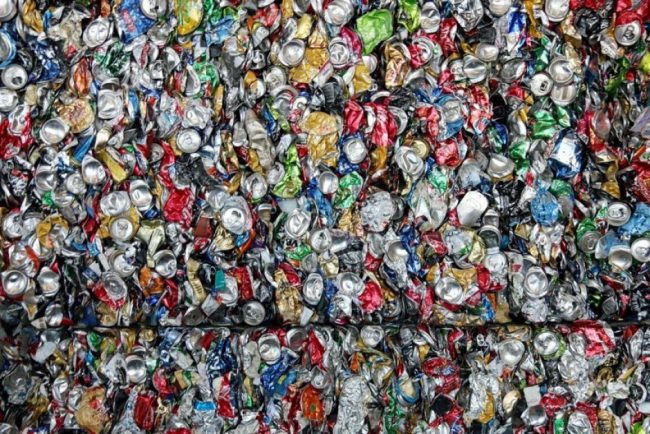
Recycling is no longer seen as a long-term solution to our growing waste problem, as international markets dry up. Image: ABC Radio

AT the moment, it seems, those who do register their pets will be seriously subsidising those who don’t: animal registrations will bring in $270,000 this financial year and, with the fee increase, $445,000 in the next.

I can’t help but see the parallels between our seeming inability – as a wider community – to value animals enough to ensure they don’t end up producing litters of unwanted offspring or not getting a dog that we have no time to train, or buying a kitten that is ignored once it grows into a cat…and our producing increasing tonnes of garbage.

In both cases, we expect someone else to deal with what we discard.

Recently there has been a lot of talk about the recycling crisis and China refusing to take our recyclable plastics and paper.

To be precise, China has refused to take recyclables that are even slightly contaminated (ie.mixed in with other stuff).

But the question remains as to why we would want to keep relying on China, or any other country, to keep taking our waste? If they pull the pin, what do we do then?

The answer, which some states are taking more seriously than others, is to no longer see recycling as the God of waste management, but to stop the waste being produced in the first place.

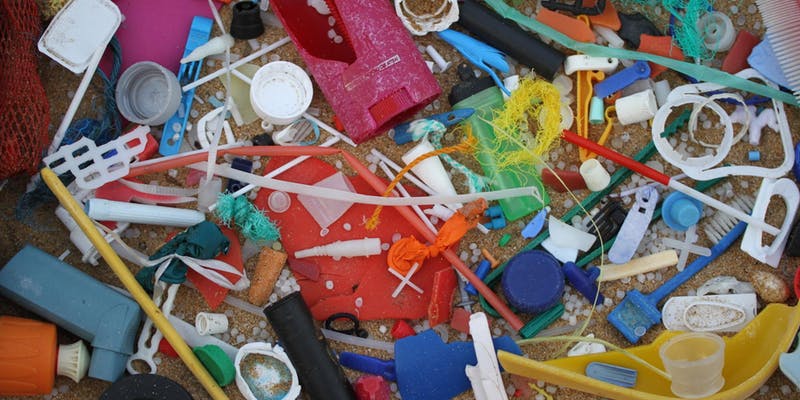
Plastics are flooding our oceans and need to be stopped at the source by changing manufacturing and consumer habits. Image: Good Will Nurdle Hunting/Tangaroa Blue

THE WCC put out its waste management strategy last December, which reflects this idea and covers everything from reducing plastic bags to the simple act of picking up your dog’s poop. It will also shortly start a trial of the organics composting service, FOGO, which is already up and running in Moyne Shire and Bendigo and elsewhere.

As the wheels grind slowly within government, the good news is that good stuff continues to happen at a grassroots, community level.

Colleen Hughson, who I wrote about recently in a piece on the plastic pollution spill at Shelly Beach, is now part of a project involving the global environmental group Tangaroa Blue, and others, to look at the plastics turning up on our local beaches.

A series of public workshops will be held in Warrnambool and Portland from later this month to talk about where the plastics are coming from, and how we can help stop it at the source. You can find out how to get involved here.

Tackling environmental waste and animal welfare issues is not new, but the dramatic fee rises we are seeing at a local level provides a serious wake-up call that we all need to get involved with finding the solutions –  or expect to pay a price.

* Less than half of Moyne’s ratepayers use the garbage collection due to their remote locations. The higher cost compared to WCC reflects a wide geographic area with fewer customers.

** Moyne Shire used to share the cost of the WCC pound but, following a request from WCC to contribute significantly more from 2018-19, is now using the Southern Grampians Shire pound.