[box]We would like to thank Warrnambool artist Glenn Morgan for sharing these extraordinary images of the Fletcher Jones’ story with Bluestone Magazine. The images, given to Glenn by the late David Jones, capture the FJ manufacturing story from the early 1900s through to the 1980s. Here follows just a sample from the dozens of images provided to Glenn. You can return to that story here.[/box]
Sea views: The grand opening of the Fletcher Jones factory at Warrnambool in 1948.
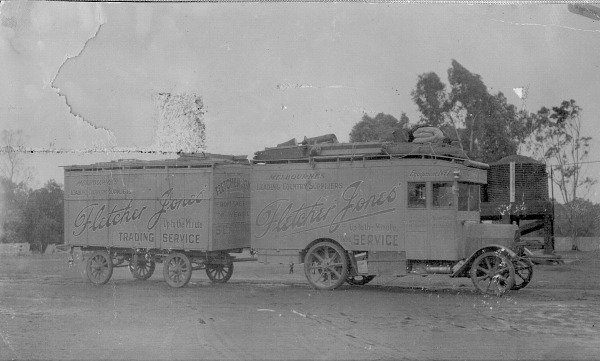
Just begging to be interpreted by Glenn Morgan: Fletcher Jones on the road between Mt Gambier and Penola 1923.
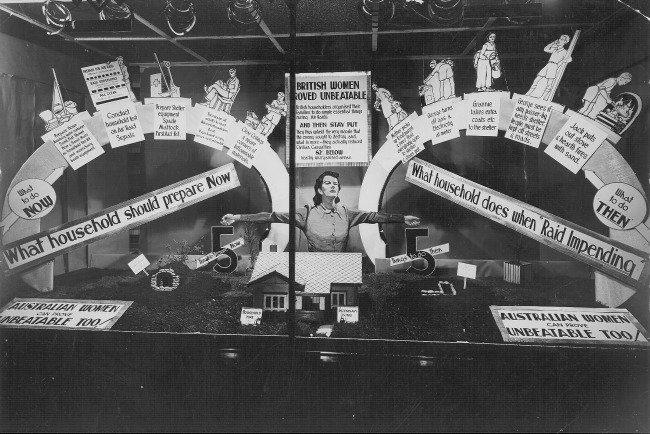
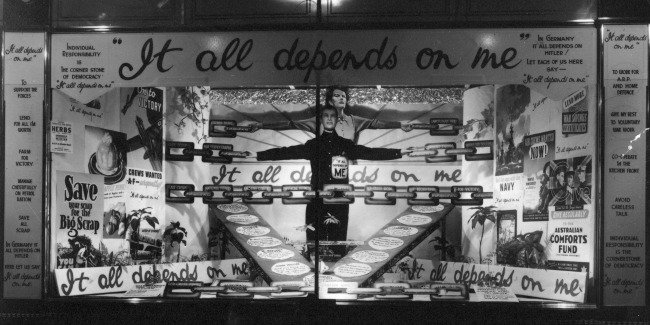
A classic World War II window display in the Fletcher Jones Man’s Shop.
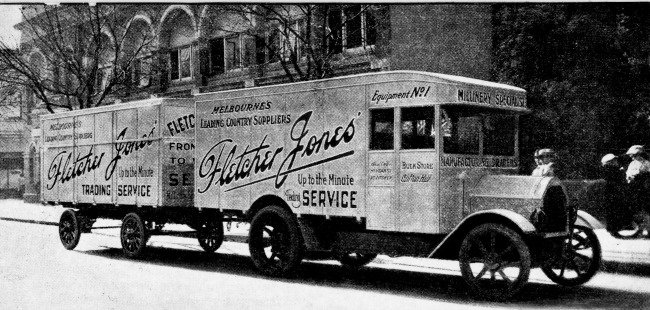
On the road in 1920: Fletcher Jones began his clothing empire as a travelling salesman.
Scenes from a Fletcher Jones fashion parade in Warrnambool in the 1930s.
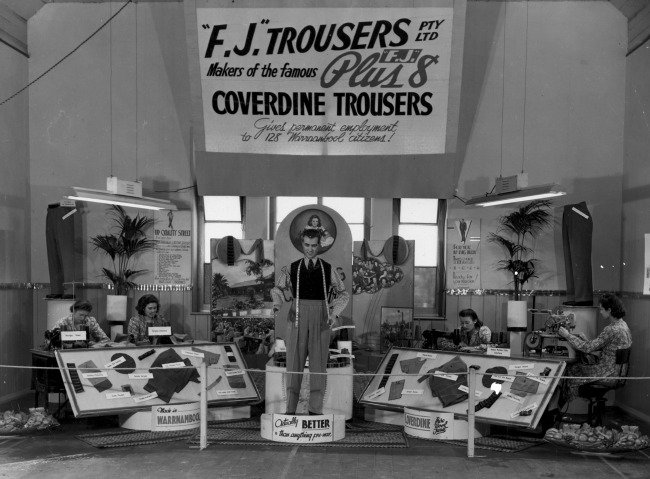
The Fletcher Jones display at a Melbourne trade exhibition: and the models are real!
The Fletcher Jones basketball team in 1946. Do you recognise any of these faces? If so, Glenn Morgan would love to know!
Smaller than today, but radiant. The Fletcher Jones factory and gardens at Pleasant Hill in 1954.
Another ‘call to action’ window display in the Fletcher Jones Man’s Shop during World War 2.
Mad Men eat your heart out: an advertising image from Fletcher Jones in the 1960.
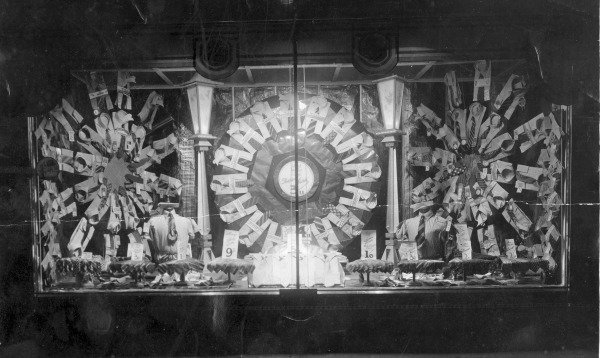
What you can do with a well presented shirt…or several. The window displays in the Man’s Shop were as memorable as the clothing itself.
Premiers: The Fletcher Jones basketball team took the crown in 1945. Do you know any of these faces?
Pure style. A striking display of men’s evening wear at the Man’s Shop.
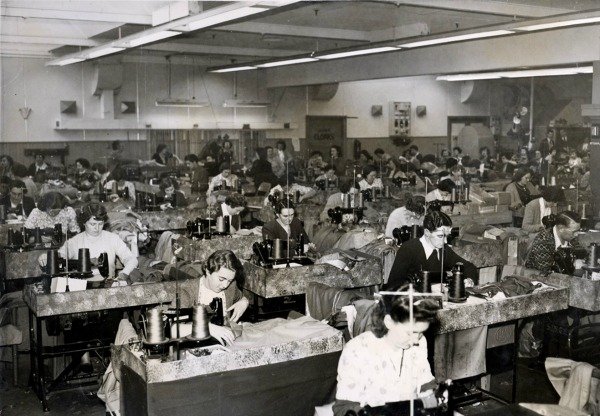
Heads down in the main sewing room at the newly opened Fletcher Jones factory, Pleasant Hill, in the late 1940s.
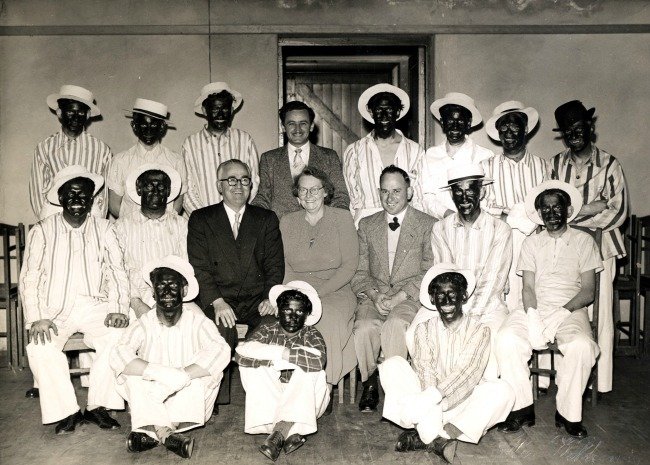
Minstrel parties were quite common in the 1950s – Fletcher and Rena Jones are pictured in the centre of this staff photo from 1950.
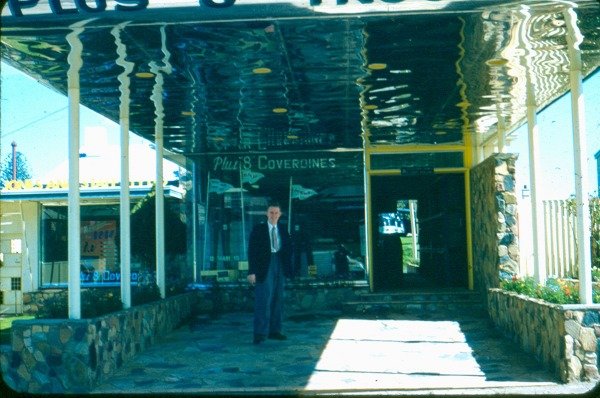
A man identified as Jack Grayson outside the former Fletcher Jones shop on Raglan Parade, Warrnambool. The stylish shop unfortunately no longer exists.
Young migrants were among the earliest workers at the Fletcher Jones factory after it opened in 1948.
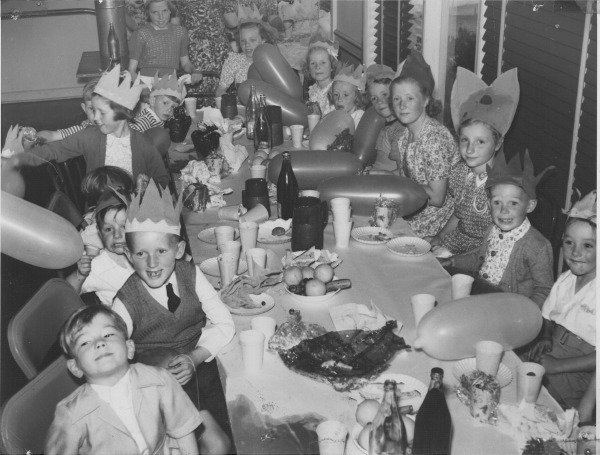
The annual Fletcher Jones’ Christmas party became legendary: here is a snap from the 1950 event. Do you recognise any of these faces? Most would now be aged in their 60s and 70s.
Picture perfect: the Fletcher Jones gardens, factory and silver ball looking at their best in the early 1970s. The ball is 50 years old next year.
[box]If you can help identify any of the people in these photos, please drop a comment in the comments box below and we can pass the information on to Glenn. [/box]
Rare Fletcher Jones images inspire top artist
[printfriendly]
Just one of the wonderful images: Workers in the main sewing room at the then-newly opened Fletcher Jones factory at Pleasant Hill, Warrnambool, in 1948.
By Carol Altmann
[dropcap style=”font-size: 60px; color: #A02F2F;”] A[/dropcap] treasure trove of rare images capturing the lifespan of the Fletcher Jones story is poised to be the focus of a series of artworks by noted Warrnambool artist, Glenn Morgan.
More than 100 images are contained on three CDs given to Glenn by the late David Jones – son of Sir Fletcher – about eight years ago when the pair were sitting on the Warrnambool Art Gallery Advisory Board.
“I’d made a couple of pieces around the Fletcher Jones theme and so David turns up with these three discs of images that he said I could have, so I put them to one side thinking I would take a proper look one day,” Glenn explains.
“I have always been interested in doing a sculpture reflecting the Fletcher Jones’ floats in the Florado festival (an annual Warrnambool street festival that started in the late 1950s) and so I started browsing the images on the discs and thought, bloody hell, there is some good stuff in here!”
“A dash of Cold War spy”: a Fletcher Jones’ fashion parade in the 1930s, possibly staged at the Warrnambool Town Hall?
[dropcap style=”font-size: 60px; color: #A02F2F;”]G[/dropcap]lenn is not exaggerating.
The photographs provide a literal snapshot of the growth and the hey-day of the Fletcher Jones story, from Sir Fletcher’s humble beginnings as a hawker, to the beginning of the last great years of the Pleasant Hill factory the late 1980s.
There are images of window displays, fashion parades, staff parties, the legendary Christmas picnics, the construction and opening of the Pleasant Hill site, family shots, staff shots, FJ sports teams, samples of early advertising and some of the many social and community causes that the Jones’ family supported.
“There is some really interesting stuff and it takes in not only Warrnambool, but Fletcher Jones in Adelaide, in Hobart, in Collins St,” Glenn says.
“The more you delve into it, the story just gets richer and richer.”
The Fletcher Jones basketball team from 1946. Do you recognise any of these faces? If so, let us know in the comments box below.
[dropcap style=”font-size: 60px; color: #A02F2F;”]G[/dropcap]lenn has already started to seek private and public funding to build a new body of work from a series of images he has selected from the 100-plus.
“I would, ideally, like to spend a couple of years just working purely on this project – an FJ project – leading up to an exhibition at the factory itself, and then touring to Melbourne and Sydney,” he says.
“Funding, of course, is always the issue but I am applying for grants as we speak and hope to get some funding on board.”
Artist Glenn Morgan, known for his quirky sculptures, hopes to produce a body of work around the rare Fletcher Jones images.
“It is such a great story, a very Warrnambool story, and I would love to be able to tell a part of it,” Glenn says.
Glenn and fellow artists Barry Tate and Jenny Altmann all run individual art classes at the former Fletcher Jones factory, with Jenny and Barry recently launching the Outlaw Gallery in the same space.
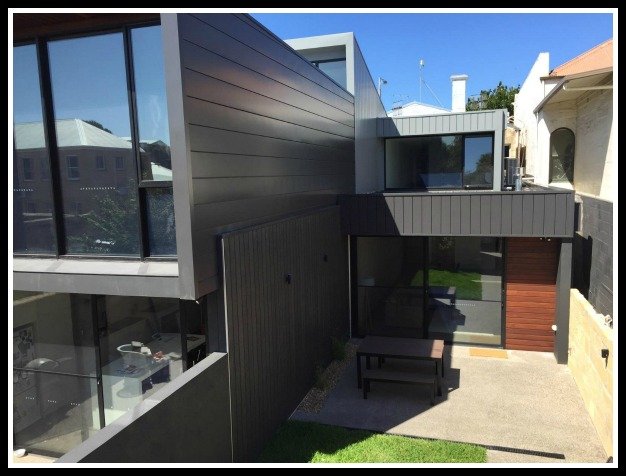
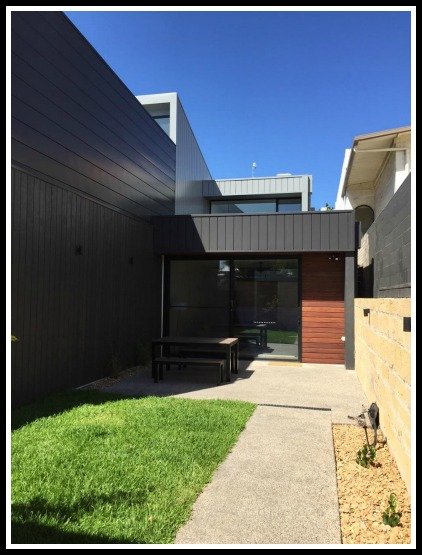
The rear of 222 Timor St has been transformed through the design of Matthew Morse, brought to life by the Taylors. Image supplied.
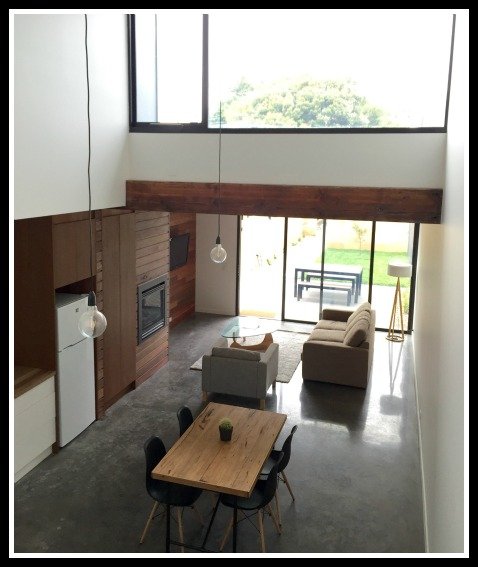
The light-filled interior of the short-term apartment that sits adjacent to the Taylor’s home. Image supplied.
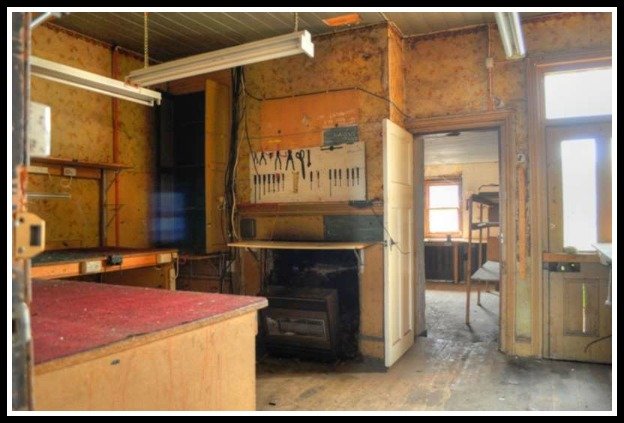
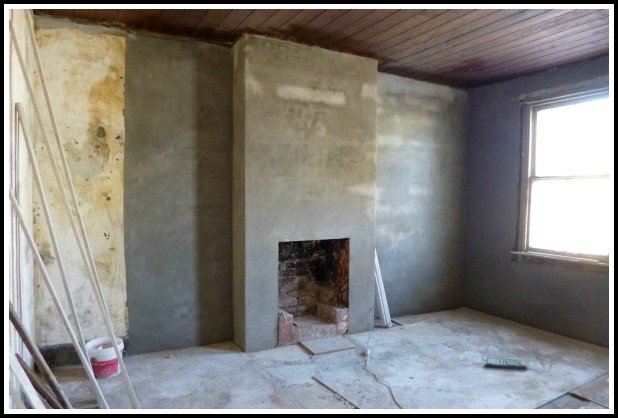
Before: One of the original rooms that has been gutted and transformed into a modern apartment space. Image: Ray White Real Estate, Warrnambool.
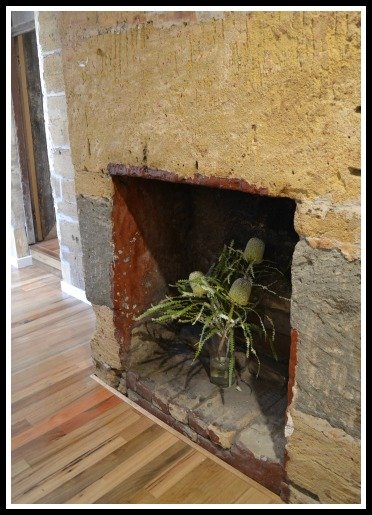
A century old fireplace has been restored and now used as a feature behind the Taylor’s living area.
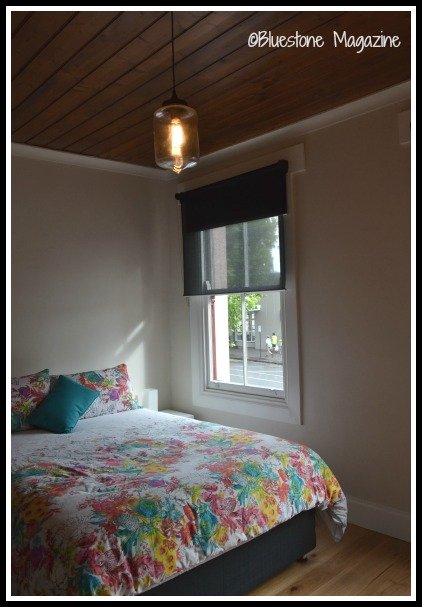
The restoration begins: the guest room on the top floor of 222 Timor St. Image supplied.
After: the guest room is now a room of character and warmth with most of the original features remaining.
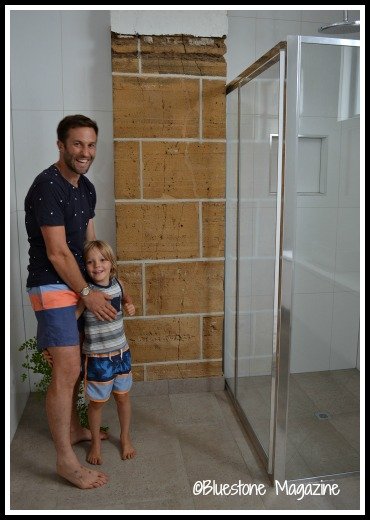
Luke Taylor and son Lewis in an area that was once a small bedroom has now become a shower room with a feature sandstone wall.
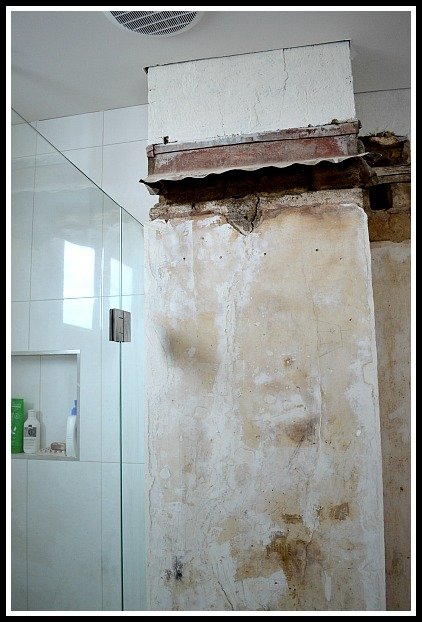
Old meets new: bits of original corrugated iron and rendered sandstone remain a feature of the very modern ensuite.
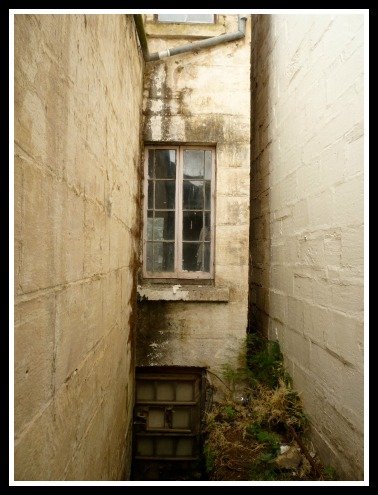
Before: the side entrance to the cellar featuring the original glazing.
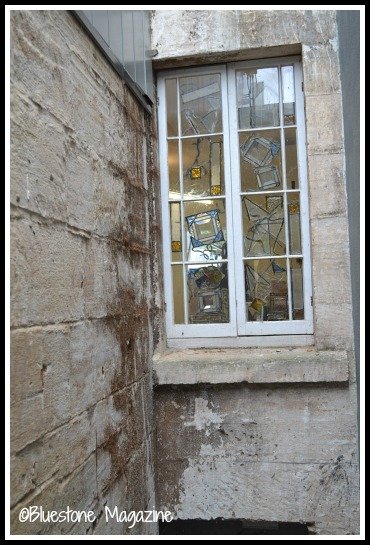
After a good clean up and some extra arty additions, the window forms part of the Biba hairdressing salon.
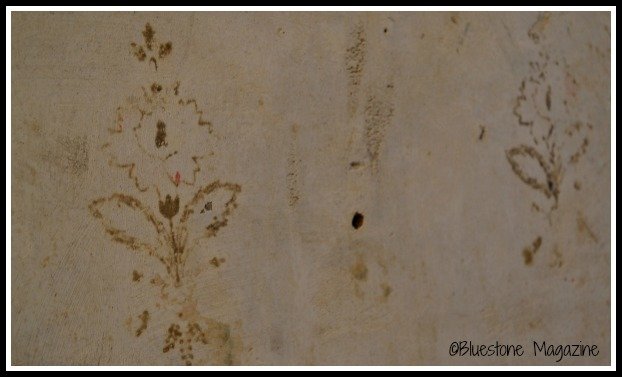
Original wallpaper stencils uncovered during the renovation and which remain intact in the Taylor’s home.
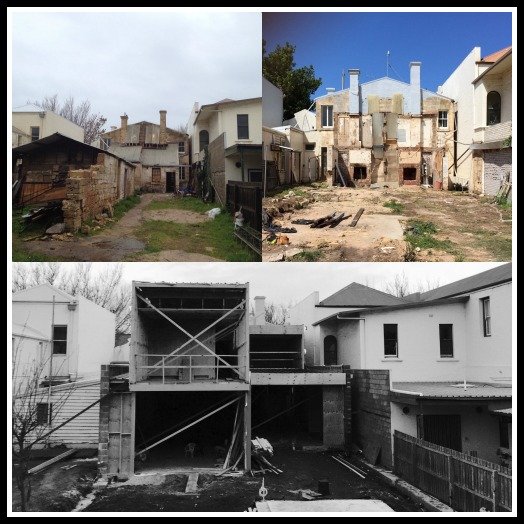
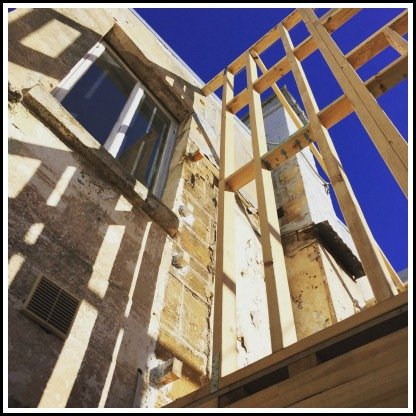
The rear of 222 Timor St before, during and well and truly under construction. Image supplied.
The rear entrance to the short-term apartment that sits beside the Taylor’s home. Image supplied.
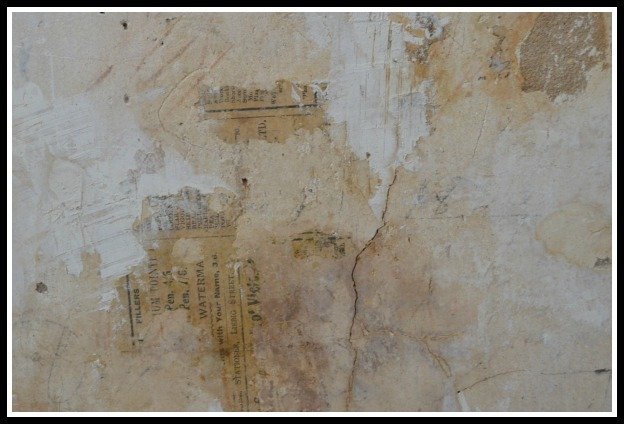
Remnants of old newspaper revealed under the render and which have been preserved as part of the character of the new home.
The new apartments have been attached to the rear of the original building that dates back to the 1850s and remains the oldest, intact commercial building in Warrnambool. Image supplied.
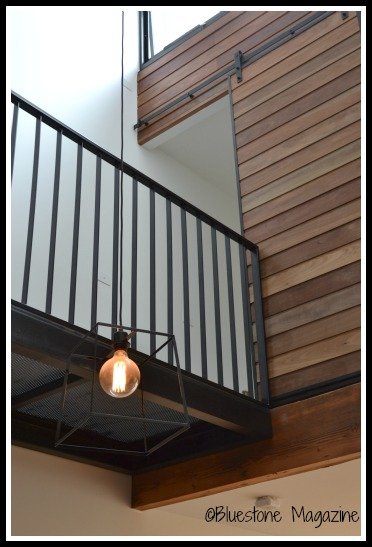
The industrial inspired walkway that connects the new upstairs master bedroom to the original part of the building.
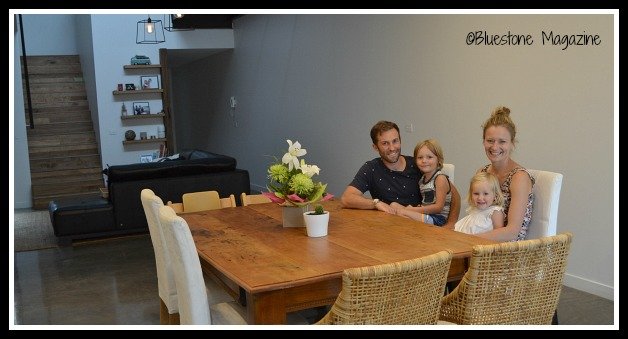
At the end of a long renovation road: the Taylors relax in their new, open plan kitchen.











 You might also enjoy…