How can you dump piles of deadly plastic without detection?
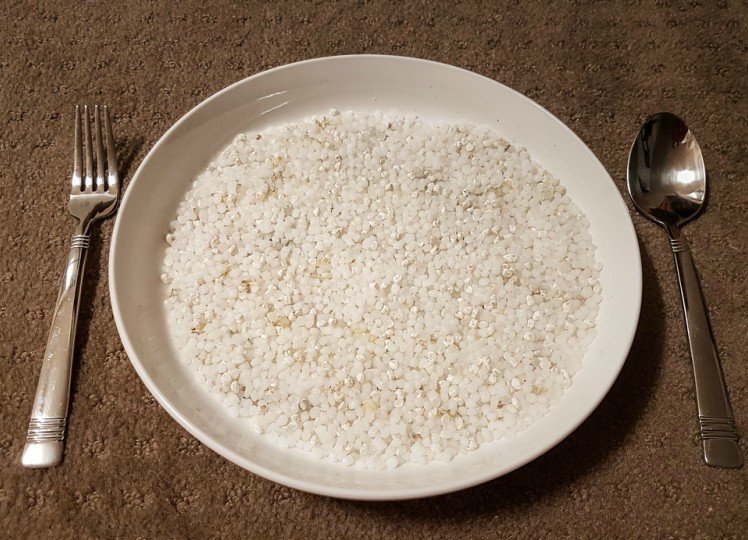
Pollution in disguise: Millions of micro plastic ‘nurdles’ were illegally dumped into the Warrnambool sewerage treatment plant last November. This image by Rosana Sialong shows how easily they can be mistaken by coastal wildlife for food. Image: Good Will Nurdle Hunting.

By Carol Altmann

LAST November, millions of tiny plastic pellets (nurdles) were dumped illegally into Warrnambool’s sewerage treatment system – polluting our beaches all the way from Thunder Point to Yambuk – and still nobody has been found responsible.

How can this be?

This was a criminal act, but as Bob Brown said recently, crimes against the environment don’t attract police cars with their lights flashing and sirens roaring.

It was also, I suspect, one of the largest pollution spills ever recorded in Warrnambool and one from which it will take months if not years to recover.

Even as I write this, the Good Will Nurdle Hunting action group – set up by film maker Colleen Hughson – and others, are still laboriously picking up thousands of nurdles to avoid them getting stuck in a seabird’s gut and killing them.

And yet five months on, Wannon Water, who is responsible for accepting and treating the waste that comes into the Warrnambool plant, appears no closer to finding a culprit.

In these days of swipe cards, security codes, security cameras, trade waste controls, random testing, checklists, computerised logistics and god knows what else, this seems inconceivable, but it is the current reality.

It is also astonishing that Wannon Water didn’t know exactly what was being poured into its treatment plant on or around November 16.

This might be a harsh assessment if we were talking about the general sewerage system that caters for tens of thousands of customers from across the south-west, including those stupid enough to flush all manner of junk down the loo.

But in this case, the search is not a needle-in-a-haystack scenario, but actually quite narrow.
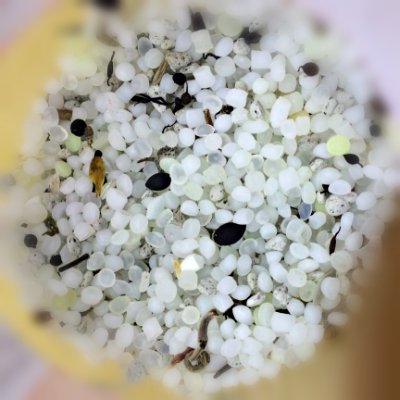
Local artist Megan Nicolson collected almost 2000 nurdles in one sweep around Shelly Beach on April 17, and they just keep coming. Image: Good Will Nurdle Hunting

BEAR with me for a second while I lay this out, because it is critical as to why this spill is considered by many to have been avoidable and why so many people are still angry and demanding answers.

Wannon Water has confirmed that the plastics came into its plant through what is called a Sludge Acceptance Point (SAP). This is where authorised tankers deliver gunk collected from authorised customers. You need a key and a swipe card to get in. In other words, it is not open to just anybody.

As Wannon Water managing director Andrew Jeffers said by email, “Wannon Water’s system is secure and only able to be accessed by approved customers. Volumes received at this point are only a very minor proportion of the total volume of sewage treated at the Warrnambool plant.”

Of these SAP customers, Wannon Water has identified 20 sites that were inspected as part of its investigation, including some sites that might use nurdles or raw plastic.

Yet despite nailing it down to just 20 likely sources, none of these inspections, it seems, has come to anything.
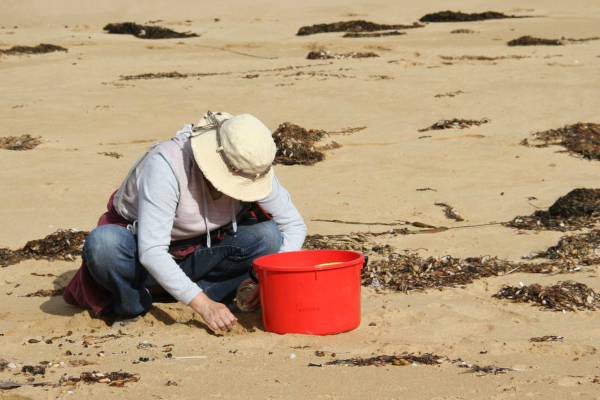
Knees down, back bent, nurdle collector Rosana Sialong is one of the many locals still trying to remove the nurdles from the Shelly Beach area. Image: Good Will Nurdle Hunting.

WANNON Water declined to list the 20 sites inspected, or to reveal much of anything about its ongoing investigation, so I asked five local, large industries directly if they had any knowledge of the spill.

Here is what they said:

Midfield Meats: “Midfield doesn’t use nurdles in any processes.”

Murray Goulburn: ‘MG does not use Wannon Water for its effluent disposal. We have our own wastewater treatment system and spray irrigate on to our farmland. In addition, MG does not use a product of this nature in any aspect of its manufacturing.’

Beach Energy: (owners and operators of the Port Campbell gas field, formerly operated by Origin Energy): “No nurdles are used in production on site.”

Fonterra: “I’ve spoken to our site environment manager and can advise that we don’t use nurdles in our production processes”.

Saputo/Warrnambool Cheese and Butter: The questions have been sent to Saputo communications in Canada – still waiting a response.

And what about two of Warrnambool’s septic and trade waste collection services, Berminghams and Sergeants? What do they know?

Sergeants: “As the records would state (we) didn’t dispose of any liquid waste at the Warrnambool facility during the months of October, November or December”.

Berminghams: “We have nothing to tell you about that.” The person said on the end of the phone before ending the call.

Lastly, I called Bartlett’s Environmental in Geelong.

Bartlett’s are contracted to clean the Wannon Water sewer pump stations and truck the sludge to the SAP, so maybe they unknowingly sucked up a load of nurdles around November 16 last year?

At first Barlett’s offered to look into it, and then, a day later, its general manager John McCoy emailed: “For all matters regarding contract work undertaken by Bartlett’s Environmental for Wannon Water, please refer all questions directly to Wannon Water.”

Mr Jeffers, who declined to be interviewed directly for this piece, said via email that Wannon Water had since ruled out the plastics coming in via sludge from a sewer pump station.

So around and around and around we go.
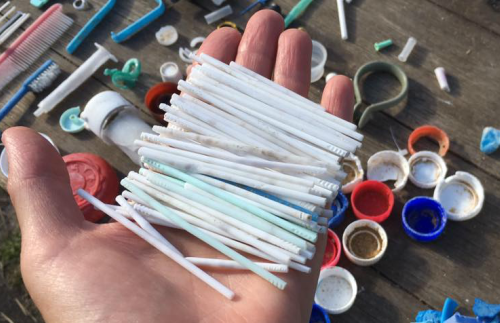
Thousands of cotton ear bud sticks, like these collected on April 20, were considered by many to be the canary in the coal mine on the pollution problem. Image: Pick Up Sticks Facebook Group.

WANNON Water appears keen to find out who has caused it such grief.

It is even using the skills of a private investigator, retired police officer Mick Fennessy, who is a big, no-bullshit kind of guy, to try and flush out the truth.

But what this spill has exposed is not only an environmental vandal in action, but a gaping hole in how the Warrnambool treatment plant has operated – quite legally – to date.

Wannon Water has now realised that its screening systems were not good enough, both before sludge was poured into its plant, and once it passed through.

What has happened since this spill is that two, finer screens have been installed at the treatment plant to catch anything larger than 1.5mm before it reaches the ocean.

Wannon Water is also “now supervising all loads coming in” to the SAP, according to Mr Jeffers.

Both of these are important changes but, some argue, they should have been made immediately when thousands of cotton bud sticks appeared at Shelly Beach en masse in 2015 and turned up in vast numbers again last August.

The slim white sticks were considered to be the canary in the coal mine, sending a highly visual warning that thousands of litres of small plastic could be passing through the Warrnambool treatment plant to the ocean.

Nothing, however, was done, despite Wannon Water being told about the pollution.

“Both the Environmental Protection Authority and Wannon Water were informed by myself and others of the sticks, but they either didn’t believe me or were unwilling to do anything about it,” said Luke Foster, a local plumber and member of Good Will Nurdle Hunting.

If the new 1.5mm screen had been installed before November 16 last year, the argument goes, very few of the millions of dumped nurdles would have made it to the ocean.

“I am happy there is now a 1.5mm screen at the end of the waste water treatment plant to capture these plastics. However, it may be a long time before we are able to remove the majority of plastics that remain in the marine environment from past pollution,” Mr Foster said.

Mr Jeffers, however, has distanced Wannon Water from any responsibility for the cotton bud sticks.

“Wannon Water does not believe the cotton buds were related to the current sewage treatment plant nor the nurdle incident,” he wrote.
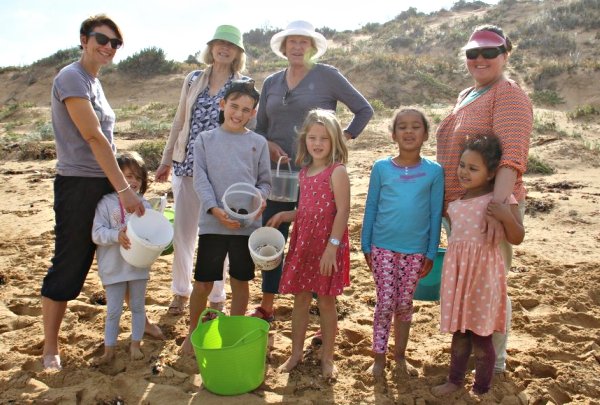
 

Some of the many Warrnambool locals who have joined he clean up effort at local beaches. Image: Good Will Nurdle Hunting.

THERE is a lot at stake for Wannon Water from this pollution problem, with the EPA continuing its own investigation into potential breaches of the Environment Protection Act by the treatment plant.

As EPA South West manager Carolyn Francis outlined, the maximum penalty through the courts for a breach of an EPA licence is $380,568. The EPA can also directly issue Infringement Notices of $7729.

There is also, of course, the need to reassure the public that Wannon Water is top of its game when it comes to handling pollutants: preventing them from entering the system in the first place and catching them – and the polluters – when they do.

Catching the nurdle culprit so long after the event, however, appears increasingly unlikely and yet time alone, surely, cannot be an excuse to give up the search. We deserve answers.

In the meantime, Colleen Hughson, who really got the ball rolling on the public clean-up, says she has been amazed by the community response.

“The most heartening thing about the nurdles spill is the amount of ‘good will’ the community has shown in coming together to clean the mess up.

“(It) has also highlighted the bigger issue of marine plastic pollution and many people in my community have been inspired to look into ways of curbing their own consumer habits to stop the flow of plastic waste. It’s brought about conversations, generosity and a willingness to take positive action.”

Do you know anything about the illegal dumping of the nurdles? If you do, contact me at altmanncarol@gmail.com

For information on Wannon Water’s response to the nurdle spill, including media releases, clean-up activities and ongoing updates, visit its dedicated webpage here.


Midfield Merrivale milk factory off the boil

How the proposed milk processing factory at Merrivale would have appeared on the skyline near the Warrnambool Showgrounds. Image: Warrnambool City Council.

The Terrier – Carol Altmann

[dropcap style=”font-size: 35px; color: #8cc7d0;”] T [/dropcap]wo of the most controversial projects to be approved in Warrnambool in recent times – the milk processing factory in Merrivale and a nine-storey apartment block on Merri St – have been put on the backburner by their developer, the Midfield Group.

It is now two years since both projects received planning approval, but not much has happened at either site since.

The milk factory was expected to be up and running within 12 to 18 months of being given the green light from an independent planning panel in May 2015.

Donate

It is a similar story with the proposed nine-storey apartment block on the corner of Merri and Gillies streets, which – despite arguments to save it – saw the 1940s Madden’s/Sandilands building demolished within weeks after the development was approved in early 2015.

When the planning application was lodged by Tract Consultants, acting on behalf of Baybern Developments/Midfield, it urged the Warrnambool City Council to approve the project as quickly as possible because its client was keen to get started.

The prominent corner block remains vacant and wire fenced, joining the Criterion Hotel site, the former Caltex petrol station on Raglan Parade, and the former Warrnambool gas works near Harris Reserve as “frozen” projects that have sat untouched.

The proposed nine-storey apartment block on the corner of Gilles and Merri streets, Warrnambool. While approved in early 2015, little has happened.

[dropcap style=”font-size: 35px; color: #8cc7d0;”] T [/dropcap]

he Midfield Group and Baybern Developments are owned by one of Warrnambool’s most successful businessmen, Colin McKenna.

A spokesman for Midfield and Baybern, Daniel Aarons, said today that the company’s priorities had changed for both projects since it bought a former potato processing plant in Penola, South Australia, that it is now converting into a $60 million milk processing plant.

On the Merrivale milk processing plant:

“Our intention is to still build in Warrnambool, but works have commenced in Penola and that is our priority at the moment,” he said.

The South Australian Government gave Midfield a $2 million grant toward the $60 million Penola project, which is close to completion.

“Penola needs to be completed, commissioned, bedded down and we need to learn how to run the plant and that is all going to come on line in the next couple of months,” Mr Aarons said.

“Penola takes precedence and then we will focus on Warrnambool,” he said.

When asked if a start on the Warrnambool plant was at least two years away, Mr Aarons said it was more likely to be 12 months.

A fenced, vacant block is what remains after the original 1940s building was demolished to make way for the apartment complex.

On the Merri St apartments:

“There is not much to say, but it is still our intention to proceed,” Mr Aarons said.

“Things are moving, things are progressing, admittedly they are progressing slowly, but they are moving”.

While potential buyers can still lodge expressions of interest with Wilson Real Estate, Mr Aarons said it was not known when construction would actually begin.

I know of at least one potential investor who lodged an expression of interest, but then heard nothing more. They have since invested elsewhere in Warrnambool.

“We haven’t confirmed a start date, but we are moving along gently, gently. It is not something we need to push quickly, but it is progressing,” Mr Aarons said.

“We have our hands full with multiple projects at the moment and we have to get a couple of key priorities out of the way.”

The former Madden’s building, once the Sandilands guest house, was demolished within weeks of the planning approval being granted for a nine-storey apartment block.

[dropcap style=”font-size: 35px; color: #8cc7d0;”] T [/dropcap]

he slow-down on the Merrivale milk plant, if it goes ahead at all, will be a sigh of relief to those who fought passionately to stop a project that would be 35m in height and operate 24 hours a day, seven days a week.

The Scott St plant, unlike the Penola plant which is several miles out of town, is in the heart of Merrivale and would be less than 100m from houses.

At the time of the approval process, the Midfield Group said the processing plant and an adjacent cold storage facility would create up to 200 jobs, but this was later wound back to 22 full time jobs.

The $70 million project received a $1.5 million grant from the former Napthine State Government and the Warrnambool City Council also sold a portion of its depot land to Midfield for the expansion.

One question I did not get time to ask the council today is how long planning permits are valid for before they need to be updated or expire?

I will let you know the answer as soon as I do.

[box]I work as a freelance journalist, without advertising or grants, which allows me to write freely. If you would like to support this site, please make a donation by clicking here. [/box]


The big shed shemozzle: we follow the money

porter shed
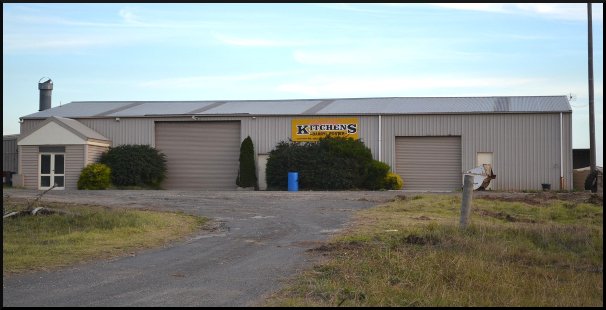
The former Porter’s shed on Wangoom Rd which is at the centre of a deepening and intriguing story about its final costs and the deals being done.

There is an old saying in journalism that you should always follow the money and that is exactly what we have done with the ongoing saga of the Warrnambool City Council’s purchase of the old Porter’s shed and it has led to an intriguing twist.

As those who have been following this story already know, the council paid local developer (and former councillor) Graeme Rodger $40,000 for the shed that sits on the edge of his new residential land project on Wangoom Rd, but shortly after tried to get rid of it via auction.

Unfortunately for the council, auctioneer Brian Hancock couldn’t attract a single bid and the shed was passed in at $20,000.

One reason for the shed’s unpopularity among bidders was the cost of dismantling, relocating, repairing and rebuilding the old shed at a new location, as the council is now discovering, and why it tried to “move it along” without success.

More recently, we have since learned, the council was told by Mr Rodger’s lawyers that the shed had to go: it was supposed to have been moved by mid this year, and each month that has passed since has been a blight on Mr Rodger’s land sales, after all, who wants to buy a block with a derelict shed next door?

In our last piece on this saga, we told you that the council had received a quote of $170,000 to move, relocate and reassemble the shed, making the $40,000 shed now costed at $210,000.

We also told you that the council rejected this quote and instead decided to pay Mr Rodger another $63,000 to dismantle and relocate (but not re-assemble) the shed, but that’s not the full story and herein lies the twist.

Mr Rodger is being paid $63,000, but, as the council is fully aware because it organised the arrangement, he is passing that money on to a third party to actually do the dismantling and relocating.

Why would the WCC want to use Mr Rodger as a go-between and not pay the third party itself?

shed corrosion
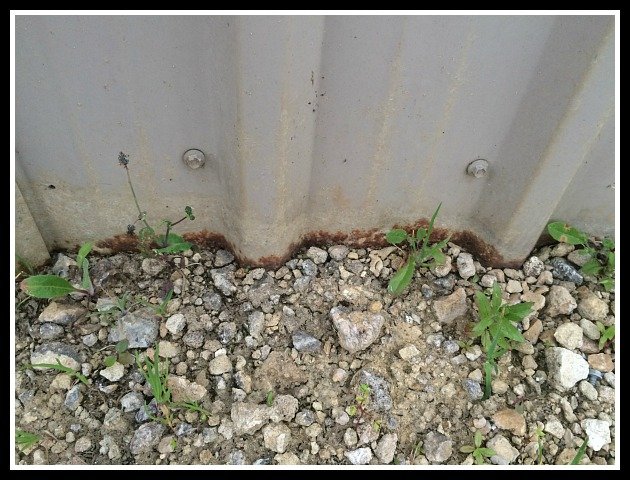
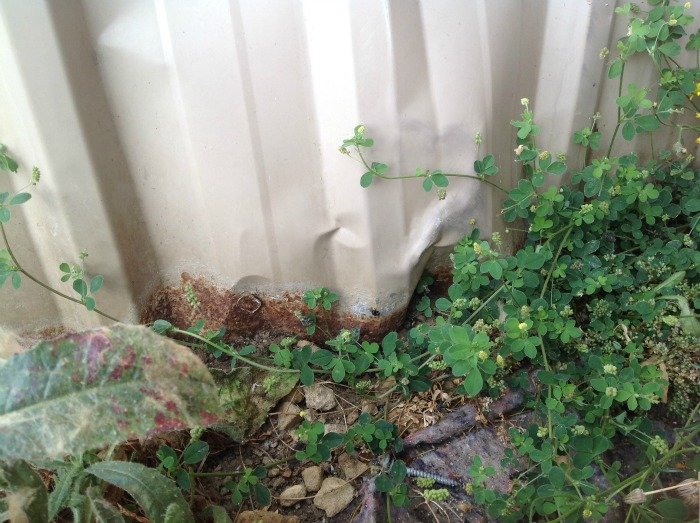
Corrosion along the bottom edge of the Colourbond sheets suggest the shed will require repairs when it is moved to Scott St.

We have pondered this question long and hard and the only possible solution we can come up with is that it is tied up with the council’s procurement policy, in other words, the rules around how it spends money.

These rules are quite complex, but include that any spending on services between $15,000 and $74,999 requires at least three written quotes. Perhaps by paying Mr Rodger for the cost of the shed AND its removal, the council could avoid this step and get the shed off the land by the new, mid-January deadline.

Also, under the rules, a council director can only authorise spending of up to $149,000 and anything above that must go to tender.

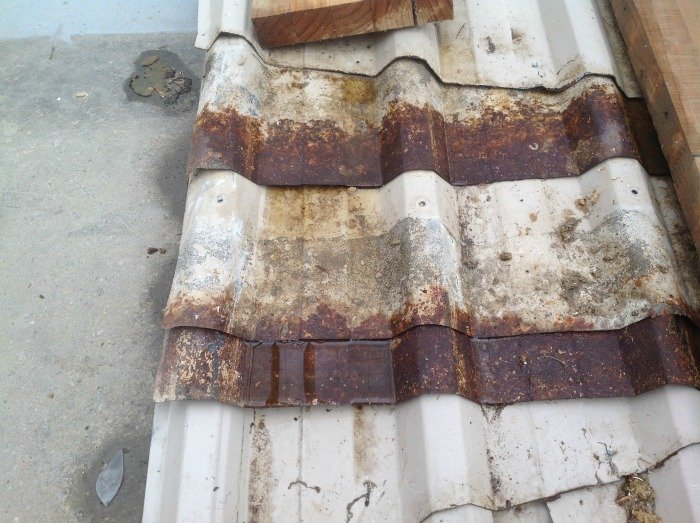
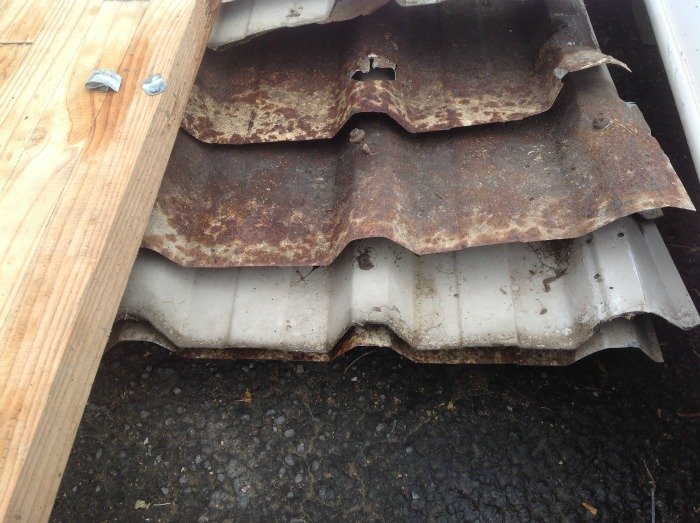
Director of Infrastructure Peter Robertson has so far spent $100,000 on the shed, but there are still major costs yet to come and that is the reassembly, re-fit and any repair costs for the corrosion. (See images below)

shed rust 2

shed rust1

shed rust3

This is almost certain to exceed $40,000, which begs the question of whether this whole mess should have gone to public tender in the first place?

Unfortunately the council’s media manager Nick Higgins is refusing to answer any of our questions on the shed, but it is indicative of a number of things, not least the secrecy surrounding these dealings and the lack of transparency around the use of ratepayers’ money.

Only three councillors – Brian Kelson, Peter Hulin and Peter Sycopoulis – have raised questions about this shed within council and tried to unravel what went wrong.

council depot
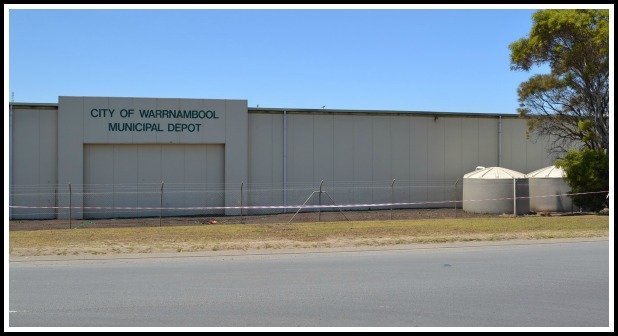
The former council depot building sold to Midfield Meats as part of a controversial land deal.

And where is this shed headed? Here comes the final twist:

The shed is off to the council depot in Scott St where it will – alongside a brand new shed – partly replace the massive storage shed sold to Midfield Meats as part of the controversial land deal to allow the building of its milk processing plant.

That deal was supposed to give the council a $290,000 profit to invest back into the shrunken depot, but it appears that Porter’s shed alone will now soak up most of that “windfall”.


“Dysfunctional” council beats a rubber stamp

approved
What do want from our elected officials? Robust debate or rubber stamping? Image: Delimiter.com.au

ANALYSIS – Carol Altmann

[dropcap style=”font-size: 60px; color: #A02F2F;”]T [/dropcap]here was a headline just begging to be written a fortnight ago and it would have read something like this: “Cr Ermacora votes with rogue councillors!”

Or maybe it should have been this: “Shock move: Cr Sycopoulis abandons faction!”

Because despite a sense that the Warrnambool City Council is hopelessly divided 4-3 between two opposing factions who can never see eye-to-eye, they do.

And they sometimes agree on the most surprising and controversial of issues, such as in the case of Cr Jacinta Ermacora voting with the supposed “rogue” councillors Peter Sycopoulis, Brian Kelson and Peter Hulin to refuse a permit for a 2km sewerage pipeline to be built by Midfield Meats from its rendering plant to an existing sewer pit.

psycopoulis
Cr Peter Sycopoulis. Image: Warrnambool City Council.

This was a significant decision in terms of Midfield Meats – one of the most successful and powerful companies in Warrnambool – being able to press ahead with its plans to upgrade the rendering plant which sits in the heart of a sensitive environmental zone because, when it was first approved 40 years ago, nobody cared about such things. They do now.

[dropcap style=”font-size: 60px; color: #A02F2F;”]A [/dropcap]n hour later, in the same meeting, Cr Sycopoulis stepped away from his supposed rock-solid faction and voted with Crs Ermacora, Askew, Neoh and Gaston to preserve the controversial Rolf Harris mural at the Lighthouse Theatre.

He didn’t have to, they had the numbers, but he did it because that is what he believed should happen.

In other words, both Crs Ermacora and Sycopoulis voted on principles rather than politics and this is exactly as it should be, and it happens more often than you think, but the dramatics that are also part of the current Warrnambool City Council gain much more attention than these occasions.

And nobody is denying that there is conflict and drama, borne from frustration, ideological differences, wrong-doings (perceived or proven) and lapses in leadership, but this is what happens when seven, very different individuals are elected to represent the many different people that make up our city.

kgaston
Cr Kylie Gaston. Image: Warrnambool City Council.

[dropcap style=”font-size: 60px; color: #A02F2F;”]W [/dropcap]orking in the media in the past 26 years, I have sat through literally dozens of council meetings in various parts of Australia and watched them transform from stuffy, ultra-formal and dull gatherings made up of mostly businessmen keen to push private interests, into dynamic, diverse forums where not only the councillors are engaged, but the people.

To see the Warrnambool City Council chamber packed for council meetings is a victory for democracy.

And to see our elected officials made up of men and women from different cultural backgrounds, ages, political leanings and occupations is also not only a victory for democracy, but a big beautiful breath of fresh air.

Even if we don’t agree with everything they do or say – should we? – every councillor has to be admired for, as US writer Bréne Brown calls it, stepping into the arena, because that arena is very public, very demanding and, at times, bruising, and that is why most people remain on the sidelines.

[dropcap style=”font-size: 60px; color: #A02F2F;”]W [/dropcap]hat I don’t understand is why our robust, vibrant and, yes, occasionally dramatic council is considered dysfunctional?

It is in good financial shape and surely it is far less important that councillors sit down and have a convivial meal at the end of each meeting, than it is for important issues to be dissected, debated and thrashed out in public.

Judging by his recent statements, newly elected MP and former Moyne mayor James Purcell is among those who claim our “dysfunctional” council could stop jobs growth in Warrnambool because it has had the temerity to question the building of an enormous milk processing plant and cold storage facility by Midfield Meats in Merrivale.

Midfield’s plans are passing through due process and the elected councillors are doing exactly as they should: watching that process unfold while also listening to the hundreds of people in and around Merrivale who have concerns about the single greatest change to their neighbourhood in decades.

Leaving aside for one moment the handful of jobs that will actually be created by this expansion, surely a council is not elected to be a mere rubber stamp for developments and developers?

If so, they should be more rightly described as corporations, not councils.

The day our councillors start to fall silent on the significant issues within our city is when we really need to begin to worry, not when they are making too much noise.

[button link=”http://the-terrier.com.au/subscribe-2/” type=”icon” icon=”heart” newwindow=”yes”]Please click here to subscribe and support Bluestone Magazine.[/button]

 newsletter Eat And Drink StonesYou can find more analysis here…


Sovereign Hill strikes gold as “Flaggy” struggles

Harris mural a lost opportunity to take a stand

Behind the spin, W’bool business is losing heart

The changing landscape under Midfield Meats


Your letters logo

[dropcap style=”font-size: 16px; color: #00000;”]Milk processing plant location needs forward thinking:[/dropcap]
 

[dropcap style=”font-size: 60px; color: #A5CECD;”] I [/dropcap] live only 400 meters from the proposed milk drying plant and proposed freezer storage facility behind Midfield Meats, which if developed will be the largest of its kind in the southern hemisphere.

I have received an offer from a local real estate agency stating that my house would be devalued due to the proposed development and they had a buyer who’d be interested in purchasing my house to support the workers at the plant.

Warrnambool needs entrepreneurial businessmen like Colin McKenna, owner of Midfields Meats and the rendering plant. They provide investment and employment which contribute to the growth and development of this wonderful city.

Objections to the current proposals generally support the development of these industries in Warrnambool, but argue that the current site is too close to residential zones and therefore these new plants should be sited elsewhere.

The expansion of inappropriately sited industries and the proposed introduction of heavy industry so close to residential zones, will negatively impact on the health and wellbeing of residents and should not be considered – a disaster in the making.

There needs to be a buffer zone, away from any residential areas and away from our pristine coastline. When Midfield Meats and the rendering plant were developed, they were out of town.

But things have changed, the city has grown and will continue to grow into the future. Warrnambool is a great city with many areas of natural beauty and such industrialisation so close to the city and the coastline is out of step and totally inappropriate.

Midfield Meats is less than 3k to the Warrnambool city centre Post Office and even less to the Merri River and the ocean. The rendering plant is right ‘on’ the ocean and ‘in’ Kelly’s Swamp – ridiculous.

The three industries of Midfield Meats, the milk processing plant and the rendering plant need to be placed out of town and on one large industrial site. They could be constructed using environmental best practice principals and become an industry leader for the 21st century.

Here is an opportunity to demonstrate a forward thinking vision, to create an industry model for the future, able to expand to meet the growing demands of domestic and international trade in the 21st century. Financial assistance could be sought from Federal, State and local Government and the new international investors in our dairy industry.

The issue here is about industrial development that is in sympathy with the development of healthy communities.

When turning into McMeekin Road from Koroit Street, the city side is to the left and the light industrial estate is to the right. Midfield Meats currently sits on the city side and with the push for further expansion, perhaps it is time to draw a line in the sand and have the city side rezoned as residential and small business. All industry to the left or further out as appropriate and the Warrnambool City Council develop a new “heavy” industrial site.

Bowing to forceful economic proposals is not the way forward.

Selling and rezoning land and making promises without proper community consultation is not sympathetic to the needs of either the community or the environment. It is imperative that Council, politicians and local entrepreneurs be visionaries, build for the future and listen and respond to community concerns.

Francis van der Mark, Warrnambool

[box]Please send your letters to editor@bluestonemagazine.com.au with a contact name and number that can be used for verification. All letters are published at the editor’s discretion and will include the author’s name. [/box]