Reunion exhibition a 4-tifying experience

peter bryant
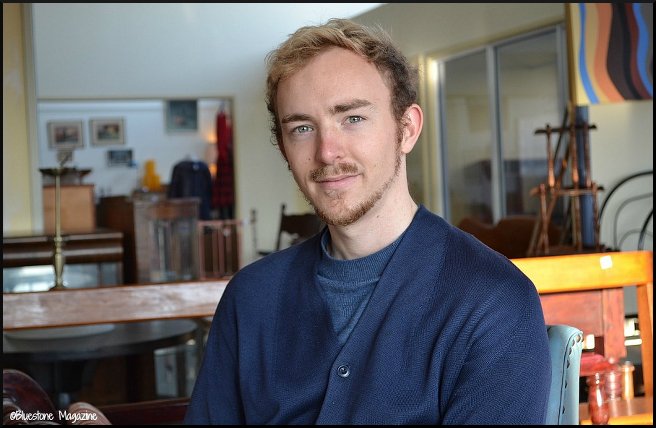
Warrnambool print maker and photographer Peter Bryant, who will be part of a reunion show by four artists who are exhibiting for the first time in 27 years. “It’s a bit like getting the band back for one more gig.”

By Carol Altmann

[dropcap style=”font-size: 60px; color: #A02F2F;”]W[/dropcap]hen artists Peter Bryant, Chris Small, Tony Neylan and Graeme Altmann first decided to exhibit together as the “Gang of 4”, the idea was to do so regularly.

That first exhibition in Warrnambool was way back in 1988 – when Bob Hawke was Prime Minister – and their second will be held this week (opens July 17), a full 27 years later.

(Mental note: do not hire these guys to organise your wedding.)

It has taken a little longer than planned, but the quartet – only Peter and Chris remain in Warrnambool – are eagerly anticipating reuniting at The Artery, which is only a few blocks west of where they held their first group show.

“It’s a bit like getting the band back for one more gig,” says Peter, a print maker and photographer.

“But the question is whether anybody else will give a s***,” he adds, letting out an infectious laugh that sums up how these four artists have always got along.

clipping
A newspaper clipping from the original “Gang of 4” show in 1988 when Chris Small, Peter Bryant, Graeme Altmann and Tony Neylan were all final-year art students.

[dropcap style=”font-size: 60px; color: #A02F2F;”]T[/dropcap]he four first met in 1985 as first-year art and design students at what was then the Warrnambool Institute of Advanced Education and were part of a colourful, crazy, but supremely talented group of young artists (and lecturers) who are all still connected, and still producing great work, today.

This week’s exhibition, 4tified, will provide a snapshot of that creativity, including Graeme’s works on paper and up-cycled boat sculptures, Tony’s delicate, Japanese-influenced ceramics, Chris’s slow-fired raku ceramics and Peter’s limited edition prints and photos, most of which have been created specifically for the show.

For Peter, who runs Shipwreck Coast Art & Design, it is a refreshing return to exhibiting. It has been 12 years since his last show, which was also with Chris Small.

“It’s a bit of an adjustment to go from screenprinting as a business, to screenprinting my own art again, but one that I am enjoying…I think,” he says, with a grin.

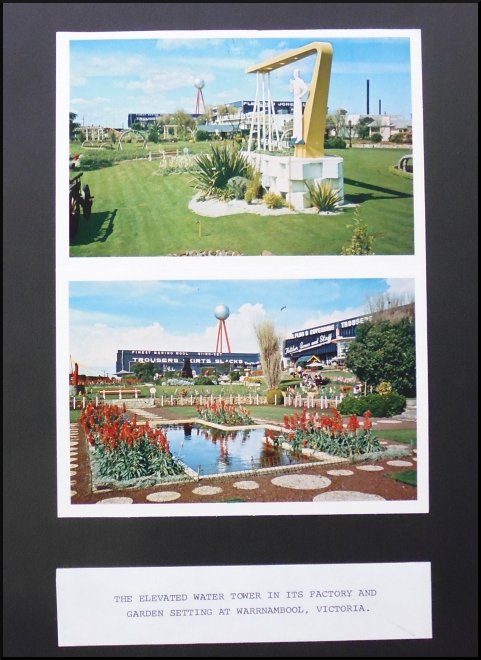
Peter’s studio is tucked down a laneway behind the former Fletcher Jones factory, with the famous silver ball water tower a constant backdrop. Not surprisingly, it features prominently in his work.

“Yes, there are some very strong Warrnambool references, for sure, but also a few surprises,” he smiles.

peter bryant_15
With a studio across the road from the Fletcher Jones silver ball, it is not surprising to see the icon reflected in Peter’s new work.

[dropcap style=”font-size: 60px; color: #A02F2F;”]A[/dropcap]s we move through the flotsam and jetsam of Peter’s studio, where he picks up various pieces of work-in-progress, you can’t escape the sense that 4tified is more than just an exhibition.

It is also a time for reflection – although not necessarily a quiet one – on each artist’s journey since they were 20-something-year-old graduates, full of hope about their creative futures and dreaming of lives as professional artists.

But as for so many young artists, the other diamonds and demons of life disrupted the best laid plans. Families, mortgages and the need to make a decent living have meant that art has often had to take second place.

4tified, however, has provided a renewed focus.

“I am looking forward to the moment when I can step back from it, because it’s done, but at the same time it is a really good thing that this exhibition has forced me to get back into it and to prepare works by a deadline,” explains Peter, who now has four young children.

“It’s a return to form for me and maybe if I can continue to do this, then who knows what might happen as I get toward retirement: there are now entirely new ways of selling and promoting your work that didn’t exist when we first started.”

You have been 4warned, the Gang of 4 will be back.

4tified-small
Artists Tony Neylan, Peter Bryant, Graeme Altmann and Chris Small as they are today, reuniting for the 4tified exhibition.

[box]4tified runs at The Artery, 224 Timor St, from Wed July 15 until August 1 with the official opening by Glenn Morgan on Friday July 17 at 6pm. Another Deakin/WIAE alumni, Kathryn Ryan, opens her show, A Quiet Place, at the W’bool Art Gallery on Sat, July 18 at 6pm.[/box]

[button link=”http://the-terrier.com.au/subscribe-2/” type=”icon” icon=”heart” newwindow=”yes”]Bluestone needs at least 500 subscribers in 2015. If you read us, please support us.[/button]

newsletter Eat And Drink Stones

 You might also enjoy…


Surveying a quiet place for new show: Kathryn Ryan

Dynamic duo step out on their own

Broken link prompts a fresh start

Clay shapes a new life: Peter Austin


No cutting corners: Jack Hancock joins Fabrication II

jack hancock_6
Coup: Melbourne-based clothing designer Jack Hancock will be making a bespoke jacket from Fletcher Jones fabric for the upcoming Fabrication II auction.

By Carol Altmann

[dropcap style=”font-size: 60px; color: #DC943C;”] A [/dropcap]mong the remarkable array of items being created from Fletcher Jones fabric for this year’s Fabrication II auction will be something truly special: a hand-crafted garment by emerging Melbourne designer Jack Hancock.

The supremely talented 25-year-old, who grew up – and first learnt to sew – in Warrnambool, was encouraged by a friend and member of the F Project arts collective, Madeleine Peters, to enter a piece for the September event which serves as a major fundraiser for The Artery.

The auction, now in its second year, involves creators making something from pieces of old but unused Fletcher Jones fabric salvaged by the F Project after the closure of the Fletcher Jones factory in 2009.

Jack used a recent visit back home to rummage through the many boxes of fabric and was stunned to find offcuts of top quality, pure wool fabric made by British company, Dormeuil.

“It is beautiful, even after all this time, and too good to be just thrown away, as it was once going to be,” Jack says.

IMG_5344-full-body
One of the stunning pieces Jack created for his graduate portfolio under the theme, Japonism. Image by Olivia Tran, reproduced courtesy of Jack Hancock.

[dropcap style=”font-size: 60px; color: #DC943C;”] T [/dropcap]his Dormeuil material, among others, will be used by Jack to create a unique jacket featuring different panels of fabric, with the rivers of Warrnambool superimposed in contrasting materials across the back.

Some people are already dubbing it “A jacket for Dean Montgomery” – in honour of the man who has revived the fortunes of the former Fletcher Jones site – but Jack is keeping it a little more generic.

The pattern will be based on a Gerber pattern, which was cutting edge, computer-based technology introduced to the Fletcher Jones company in its later years.

“I have managed to get hold of the Gerber pattern for a Fletcher Jones coat thanks to the F Project, so even though I am calling my piece a jacket, it will be from that coat design,” Jack explains.

“Actually it was the Gerber patterns that in a way led to the demise of Fletcher Jones as it was forced to compete in a world of cheap, mass produced clothing, so there is some irony there.”

jack hancock_30
Jack with a mannequin made for the Melbourne Myer Emporium in the 1930s: a time when clothes were made to last. Jack purchased this mannequin during his visit to the FJ Markets and has since renamed it Daisy.

[dropcap style=”font-size: 60px; color: #DC943C;”] T [/dropcap]he global shift from producing and buying clothes that lasted for years, to mass-produced items that barely see out a season, is one that Jack rails against daily.

Indeed he doesn’t particularly like “fashion” – and its built-in expiry dates – but instead likes to talk about “clothing”: quality garments carefully designed and made from quality materials.

“I am fascinated by how textiles are produced and have been produced through history…and the structure and integrity of a particular garment,” he says.

“It is also, for me, about creating sustainable clothing, not just in terms of where the fabric has come from and how it is produced, but that it will last and not be thrown away, just as a pair of Fletcher Jones’s trousers would last a lifetime.”

Rory_2_Small_Warmed
Objects of great beauty: natural wool is one of Jack’s favourite fibres. Image by Olivia Tran, reproduced courtesy of Jack Hancock.

[dropcap style=”font-size: 60px; color: #DC943C;”] W [/dropcap]hile Jack doesn’t consider himself an artist, but “someone who just makes clothes”, his eye for design emerged at a young age.

Former Warrnambool College art teacher Ollie Morgan was an early influence while he was at school and, as a teenager, he completed a two-year Certificate in Clothing Production through South-West TAFE that at that time held classes in the former Fletcher Jones factory.

“I did work experience with Hemden tailors, in Melbourne, and worked next to the guy who tailored the Fletcher Jones trousers, so there are all sorts of connections to Fletchers,” Jack says, smiling.

Jack’s impressive portfolio of work led to him being accepted into RMIT to study a Bachelor of Design (Fashion), from where he graduated with first class honours and was invited to show his work in the national graduate showcase at Melbourne Fashion Week.

It was to be the first of many such endorsements for his work.

jonascolour
Colonial meets couture: another of Jack’s creations for his graduate portfolio that demonstrates his creativity and skill. Image by Olivia Tran, reproduced courtesy of Jack Hancock.

[dropcap style=”font-size: 60px; color: #DC943C;”] S [/dropcap]ince graduating, Jack has been developing his own label, Tack Jancock, and has worked with the Melbourne dance outfit, Chunky Move.

His work for Chunky Move dancer and choreographer Benjamin Hancock (no relation) was this year recognised with a prestigious Green Room Award for best visual design for the show, Princess.

And when we meet, Jack is recovering from what sounds like a marathon effort to produce costumes for wait staff at the spectacular Dark MOFO festival, held in Hobart each winter.

“It was a fantastic opportunity, but I think I am still recovering!” he says, rubbing his eyes.

While much of Jack’s work to date might be described as theatrical – particularly that he designed for his RMIT graduate year – he is moving toward a collaboration with fellow designer, Domenic Coloca, to create clothes for the everyperson.

tack jancock -japonism
Gender fluidity in fashion. Image by Olivia Tran, reproduced courtesy of Jack Hancock.

[dropcap style=”font-size: 60px; color: #DC943C;”] T[/dropcap]hese are clothes that will be less theatrical and more about people feeling like themselves. The starting point is the human body, and how it moves in the world,” he explains.

Again, however, the focus is on creating unique, durable, distinctive clothing that could even be considered collectable.

“Just as people collect pottery or work by particular crafts people, I see clothing can be a part of that, where you look for a particular designer who has created a one-off piece,” Jack says.

With this in mind, the bidding for Jack’s Fabrication II entry is sure to be spirited – and lead to someone sporting one of the best jacket’s in town.

jack hancock_36
Jack Hancock, pictured here in the FJ Markets, was born – and learnt to sew – in Warrnambool. He is now one of the most exciting emerging designers in Melbourne.

[box]You can see more of Jack’s exquisite work at the Tack Jancock website here. Fabrication II will be exhibited and auctioned at The Artery, 224 Timor St, Warrnambool on Saturday Sept 19 from 6pm. For full details about the event and how to be involved, please email f4u@fproject.org.au[/box]

[button link=”http://the-terrier.com.au/subscribe-2/” type=”icon” icon=”heart” newwindow=”yes”]Bluestone needs at least 500 subscribers in 2015. If you wish to support independent media, please click here to become one.[/button]

newsletter Why Not StonesYou might also enjoy reading…
 

Stitch Up: Fabulous Fabrication on again

Powerful family ties behind every stitch: Sue Ferrari

A softie at heart: Megan Nicolson

Biblio-Art Award another triumph


Stitch up: fabulous Fabrication on again

madeleine peters_6
Madeleine Peters, from the F Project, with an armful of the Fletcher Jones fabric offcuts and samples that will be used in Fabrication II.

[dropcap style=”font-size: 60px; color: #DC943C;”] S [/dropcap]uch was the popularity of the inaugural Fabrication fundraiser for The Artery in Warrnambool last year that the challenge is on again.

When the Fletcher Jones factory closed in Warrnambool nine years ago, a group of local artists salvaged bags and bags of off-cut material that had been left on the factory floor or tossed in a skip-bin ready for the tip.

Those bags of material filled an entire garage, but what to do with it?

The Artery president Emma Charlton said a group of founding members of the arts group, the F Project – named in honour of Sir Fletcher Jones and which now runs The Artery – wanted to “harness the creative vision of Fletcher Jones, particularly in the face of the demise of an industry that had long-defined Warrnambool”.

They decided to invite creative people to buy some of the original Fletcher Jones fabric and create something new that could then be auctioned.

rachel peters fabrication
The man himself: a fabric portrait of Sir Fletcher Jones created by Rachel Peters for last year’s Fabrication event. Image: The F Project.

[dropcap style=”font-size: 60px; color: #DC943C;”] T[/dropcap]he first Fabrication: Flaunting Fletcher raised $5000 and helped fund new lighting in the gallery space.

The remaining material had been stored in the garage of an F Project member until a month ago, when volunteers again moved it.

“Ten people, five cars, two trailers, five hours, and one emergency doctor’s visit later, and the job was done. There was a lot of dust, and such a lot of material,” Emma said.

(The emergency doctor’s visit was a result of textile artist Ruby Richardson treading on an errant pin, which saw her shipped off to get a tetanus shot during the massive move!)

Fabrication II is shaping up to be even bigger than last year, with rumours circulating that an edgy fashion designer who has local connections is considering making an outfit for the new owner of the Fletcher Jones site, Dean Montgomery.

silver ball liz gannon
This entry by Liz Gannon incorporated fabric and painting to create a wonderful portrait of the silver ball. Image: The F Project.

[dropcap style=”font-size: 60px; color: #DC943C;”] T[/dropcap]he challenge is now on for artists to buy a random box of mixed material and make it into something new.

“This time it’s bigger, and people might like to take on the challenge with a few others, or as a family,” Emma said.

The material is unwashed, and is predominantly in muted tones, although all the boxes have surprises in them, she said.

The idea is to create anything including fashion, homewares, wearable art, 2D and 3D art works, textiles, furniture or anything else that takes hold in the creative imagination.

fabrication sue ferarri
“Fletcher’s Garden,”, by Leanne Goldstraw, was inspired by the Pleasant Hill gardens and is displayed on a wooden Fletcher Jones hanger. Image: The F Project.

[box]A random box of material costs $20; entry to the auction is $5. Boxes can be collected on Saturday and Sunday May 23 and 24, 10am-2pm, from 27 Barkly St, Warrnambool, or email f4u@fproject.org.au to arrange another time. Entries need to be dropped at The Artery on Sunday Sept 13. They will be exhibited and auctioned at the Artery on Saturday Sept 19 from 6pm. For an entry form, email f4u@fproject.org.au[/box]

[button link=”http://the-terrier.com.au/subscribe-2/” type=”icon” icon=”heart” newwindow=”yes”]Bluestone needs at least 500 subscribers in 2015. If you wish to support independent media, please click here to become one.[/button]

newsletter Why Not StonesYou might also enjoy…


Biblio Art Prize for 2015 remains an open book

How David Jones saved ‘Metamorphosis’

Why doesn’t Warrnambool have a major art prize?

A musical career with strings attached: Philip Trigg

Revealing the eye of the tiger: Peter Clayfield


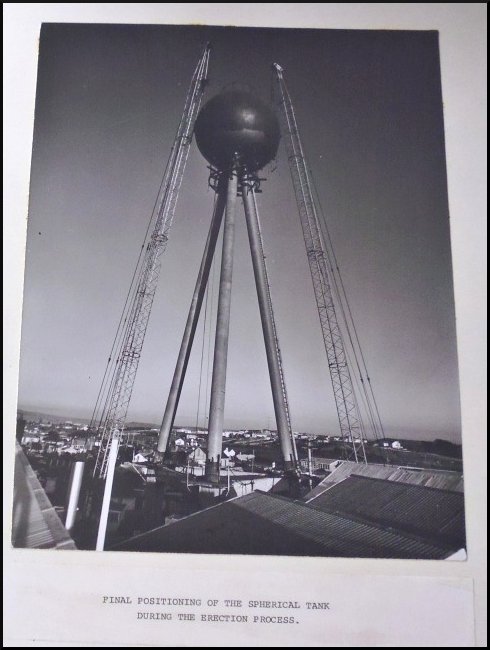
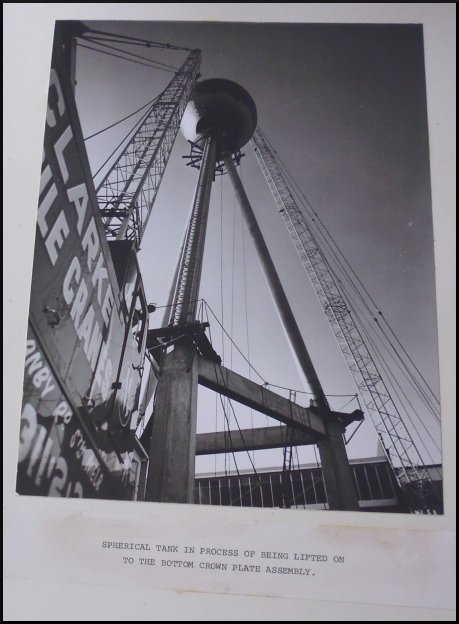
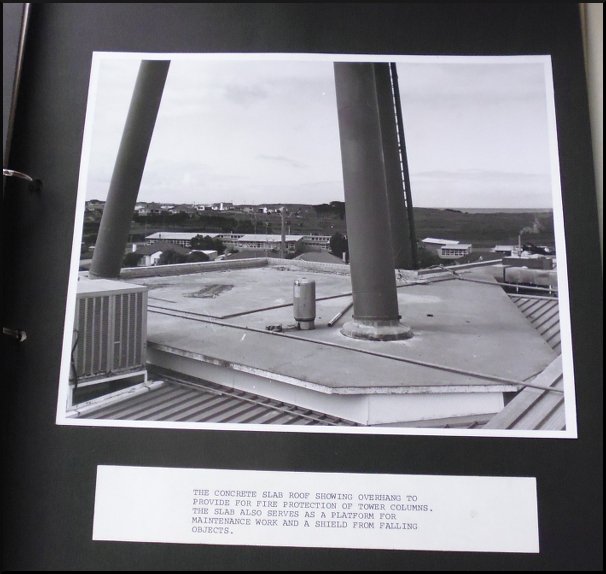
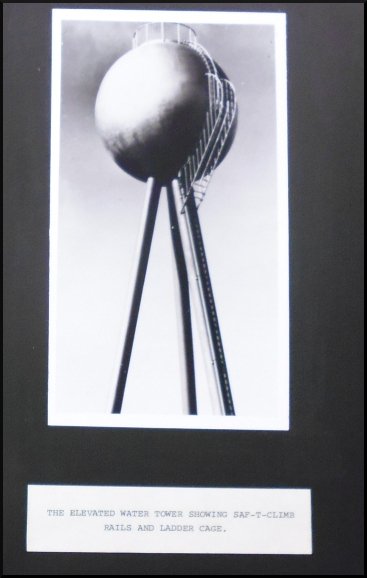
Rare images of FJ silver ball

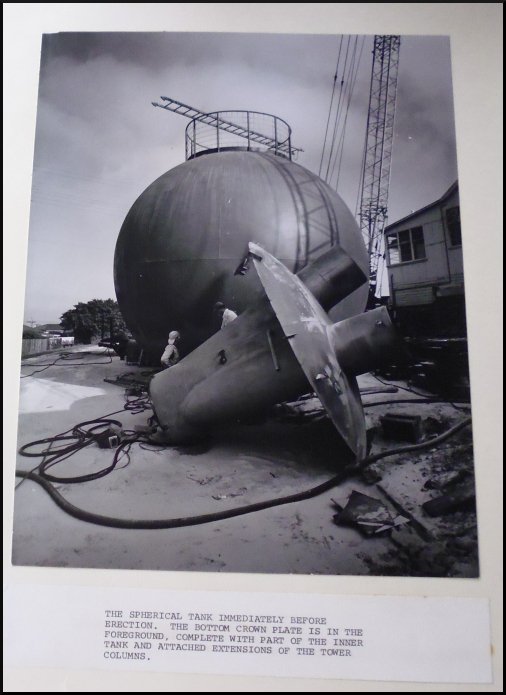
[box]Bluestone Magazine would like to thank Melinda Barrie from Melbourne University Archives for providing us with some examples of the images contained in a collection of items donated to MUA by Ralph Jones (Ralph Jones Construction Engineering Services) who engineered and constructed the unique water tower for the Fletcher Jones factory in Warrnambool, 1965-67. Citation: Ralph Jones Water Tower Submission and Business Papers, 2014.0112, Box 1, University of Melbourne Archives.[/box]

ball ground2

ball ground


ball cranes copy


ball crane 2

ball-legs

ball in place

ball2

drawings

words ball

ball documents

postcards

[button link=”http://the-terrier.com.au/subscribe-2/” type=”icon” icon=”heart” newwindow=”yes”] Do you know somebody who would enjoy this story? Encourage them to subscribe to Bluestone![/button]

newsletter Why Not Stones You might also enjoy:

Rare images emerge as FJ story collection begins

Motor Museum to revive Fletcher Jones site

A different way of doing things: Dean Montgomery

Imagine the skyline without Fletcher Jones


Rare silver ball images emerge from collection

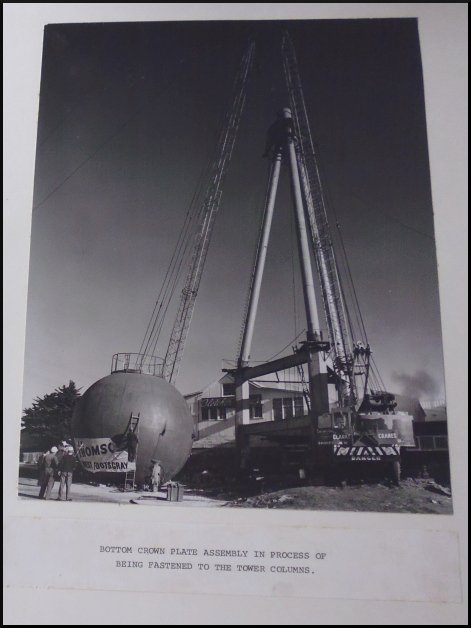
man on ball
Vertigo? What vertigo? One of the rare images of the iconic silver ball water tower being erected at the Fletcher Jones factory in 1967 from the collection of engineer Ralph Jones. (Citation: Ralph Jones Water Tower Submission and Business Papers, 2014.0112, Box 1, University of Melbourne Archives.)

Words: Carol Altmann

[dropcap style=”font-size: 60px; color: #DC943C;”] R[/dropcap]are images of the Fletcher Jones silver ball water tower have emerged from the private collection of engineer Ralph Jones who designed and supervised the construction.

Bluestone Magazine has been privileged to gain access to the images courtesy of the Melbourne University Archives which has been archiving the story behind the iconic silver ball as part of the Ralph Jones Engineering Services collection.

See all of the images here.

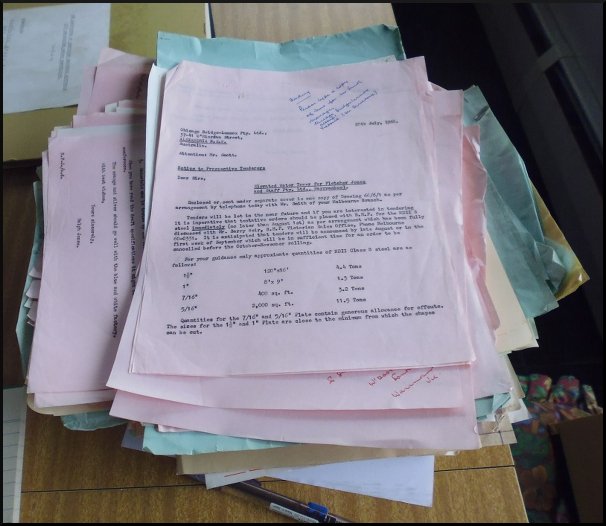
MUV archivist Melinda Barrie said the collection – donated by Mr Jones, who is now aged in his late 80s and living in Melbourne – included detailed documents and correspondence from 1965-1967 when the silver ball was being built.

It also includes Mr Jones’s submission to the 1975 Association of Consulting Engineers Australia -Engineering Awards, where his firm hoped to win a prize for the silver ball that, as far as we know, is without peer in Australia. (Unfortunately, the ball missed out on an award).

ball phone book
The brand new water tower, red-legged and silver-topped, graced the cover of the local phone directory the year after it was assembled. Image from the Ralph Jones collection and reproduced courtesy of Melbourne University Archives.

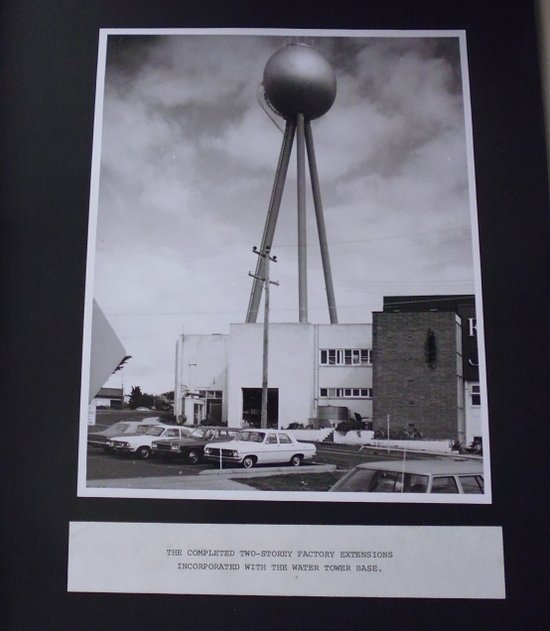
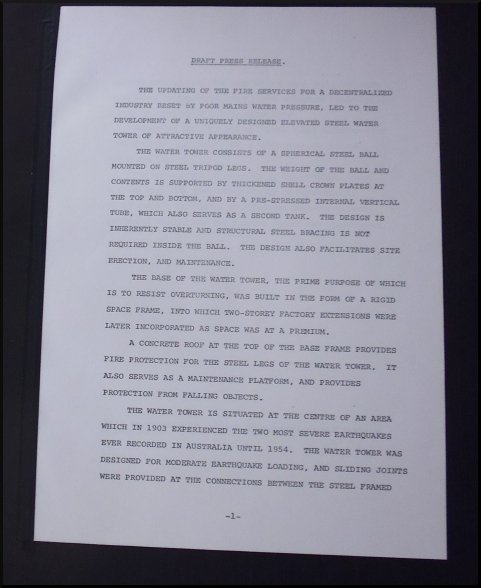
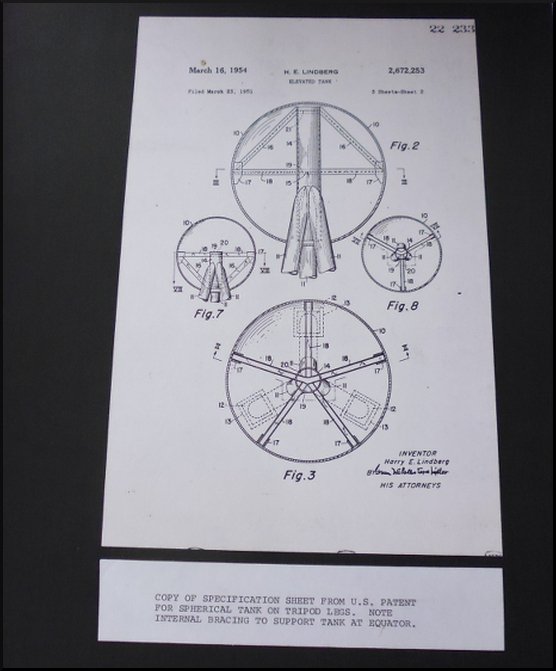
[dropcap style=”font-size: 60px; color: #DC943C;”] T[/dropcap]he documents reveal that Mr Jones’s inspiration for the ball’s design came from US advertisements for water towers made by the Pittsburgh-Des Moine Steel Company, one of which included tripod legs.

The unique design was also borne of necessity because of the “poor mains water pressure” on the east side of Warrnambool at the time, Mr Jones wrote in his submission.

It also had to take into account potential earthquakes – given that the Fletcher Jones factory was in the middle of an area that in 1903 experienced two of the worst earthquakes in modern Australian history – and was built to withstand “moderate” earthquake loading.

With the Ralph Jones Engineering Collection ready to view at MUA, Melinda and her team are now turning their attention to a significant collection of photographs, documents, personal items and archival films donated by the family of Sir Fletcher.

The collection includes more than 3000 photographs – including many from the Warrnambool factory in the 70s, 80s and 90s – all of which will be cleaned and then 300 selected for digitalisation.

Melinda described the contemporary Fletcher Jones story as a vital part of documenting Victoria’s manufacturing industry.

“We view it as very important, as it celebrates the narrative of manufacturing and retail in Victoria…and so many of those stories have been lost,” she said.

Silver lining: Melbourne University Archive academics Melinda Barrie (centre) and Sophie Garrett (centre right) catch up with working party members Mark Rashleigh, Emma Charlton and Julie Eagles (right) - and some of the artwork that has been inspired by Fletcher Jones and the iconic silver ball. Image: Bluestone Magazine.
Silver lining: Melbourne University Archive academics Melinda Barrie (centre) and Sophie Garrett (centre right) catch up with working party members Mark Rashleigh, Emma Charlton and Julie Eagles (right) – and some of the artwork that has been inspired by Fletcher Jones and the iconic silver ball. Image: Bluestone Magazine.

[dropcap style=”font-size: 60px; color: #DC943C;”]M[/dropcap]eanwhile, in Warrnambool, moves are afoot to start documenting the local, personal stories around Fletcher Jones and Pleasant Hill.

A steering committee has come together with representatives from the Save the Silver Ball and Fletchers Gardens group, the Warrnambool Planning and Heritage Group, the Warrnambool Historical Society and the F Project, with MUA also helping out.

The group has already secured $5000 from the Gwen and Edna Jones Foundation (no relation to Fletcher), which will be used to record those stories considered a top priority because of people’s age or health.

“The next step for us is to sit down and determine who these people are and to capture those stories now,” said group convenor Julie Eagles.

The committee has applied for a further $15,000 from the Public Records Office of Victoria for a much broader project similar to the Silver Ball Screening Festival, where workshops are held to help people record their own FJ story, or that of someone they know.

“There is still such a strong connection between Warrnambool and the Fletcher Jones site, both as part of Warrnambool’s history and part of our individual histories,” Julie said.

fletcher jones staff
The staff behind the name: the stories of everyday workers and those with a strong connection to the Fletcher Jones site will be recorded as part of a new project. Image: Save the Silver Ball and Fletcher Jones Gardens.

[dropcap style=”font-size: 60px; color: #DC943C;”]T[/dropcap]he individual projects of MUA and the local group may eventually lead to a collaborative exhibition or something similar in Warrnambool.

“Most of the people behind these great manufacturing stories want to see their stories out there and their work out there,” Melinda said.

“It is also part of our mandate here at MUA to make our collections accessible to the people, otherwise, what is the point?”

Melinda said the combination of the Ralph Jones collection, the personal collection from Sir Fletcher’s family and the work of the local steering committee would create a “well rounded archive” on one of Australia’s iconic businesses.

[button link=”http://the-terrier.com.au/subscribe-2/” type=”icon” icon=”heart” newwindow=”yes”]Bluestone is aiming for at least 500 subscribers in 2015. If you enjoyed this story, please click here to become one![/button]

newsletter Why Not Stones You might also enjoy…


Glorious remnants of ‘Googie’ groove in south-west

Deep into the cellars of KM Lynch

Victoria’s oldest building right in our backyard

Turning in to the Turn In Motel

The enduring legacy of ‘Tag’ Walter