Racehorses: respecting Country and a crucial council vote
Carol Altmann – The Terrier
The push to allow large-scale racehorse training at Levy’s Beach will return to the Warrnambool City Council again next Monday night (3/2) for a crucial vote that goes far beyond horse racing.
It is, instead, a line in the sand: a time to decide whether Warrnambool is prepared to step into a new way of thinking – a bold Warrnambool – or to remain stuck in the past, as an old Warrnambool.
On the surface, the seven councillors will effectively be asked again whether they support or reject large numbers of racehorses – up to 120 a day on the beach and 40 on a dune – being able to train in the coastal reserve at Levy’s Beach/Spookies Beach all year-round. (This would be in addition to training at Lady Bay for nine months of the year.)
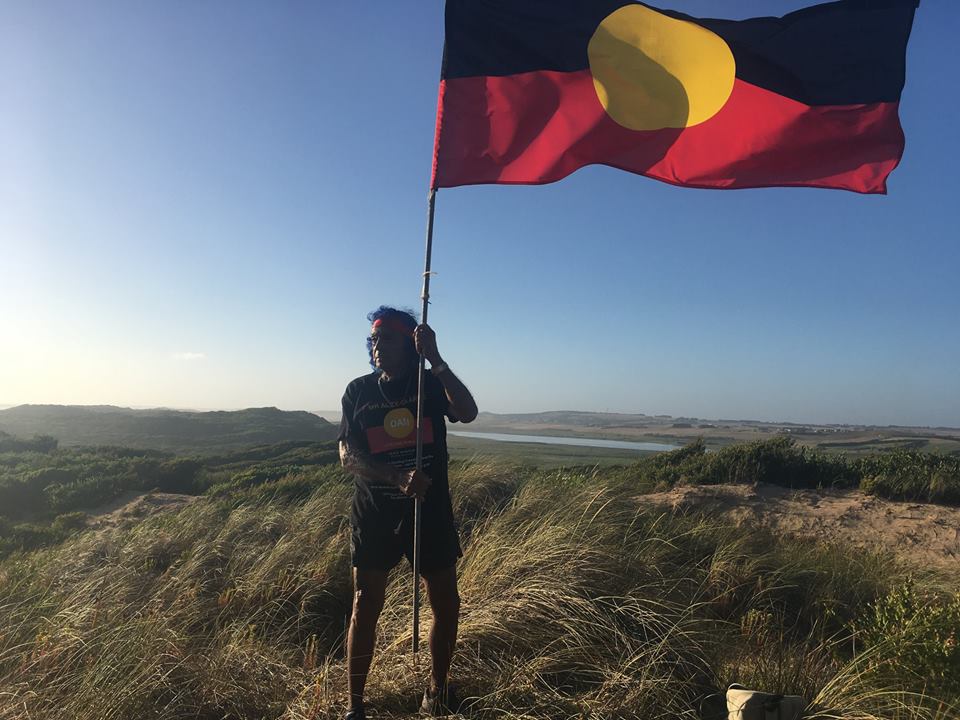
But this vote is also a test of whether, in 2020, we, as a city, are prepared to continue to ignore the wishes of the traditional custodians, the Eastern Maar peoples, for whom the coast around Levy’s is known as Tarerer.
I find it incomprehensible that the council would even consider such a move when traditional custodians are against it, as was first made clear when the consultation process began more than two years ago.
We are all living on Aboriginal land and yet we still find this concept discomforting, rather than a privilege.
Indeed one of the arguments used by Racing Victoria is that horse training on Warrnambool’s beaches goes back to the 1800s – and this is supposed to be a persuasive argument – yet the indigenous connection to this coast stretches back at least 60,000 years and possibly 120,000 years.
Think about that for one second.
Despite this incredible history, it is the European connection through racehorses, a mere speck of sand by comparison, that is held up as evidence of a rich tradition, a deep heritage and a right of passage.
How demeaning this is to the traditional custodians; how gutting.
Like so much of south-west Victoria, Warrnambool has a shocking history around the treatment of indigenous peoples and the destruction of an ancient culture, none of which we learnt about at school, and which contributed to local, white kids like me growing up with a fear and suspicion of Aboriginal people.
I knew nothing until I was old enough to read this history for myself and to learn about the full impact of dispossession and discrimination.
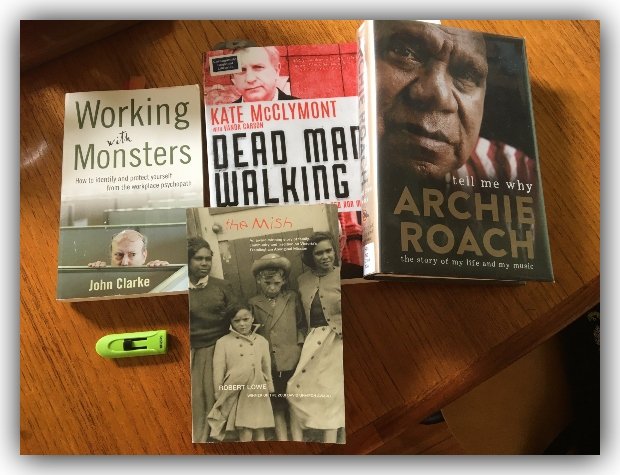
I am still reading. Over the Christmas holidays I devoured Archie Roach’s magnificent autobiography, Tell Me Why, and Robbie Lowe Snr’s book, The Mish, which spoke of a Warrnambool where I grew up, but barely recognised, because as a middle-class, white kid, I had no idea how life was for those living in Framlingham, just 20kms from Warrnambool, but as far away from my daily life as Mars.
We can no longer use the excuse of ignorance and say that we don’t know, or don’t understand, the indigenous connections to Country.
Times are changing.
Indeed our council includes a Welcome to Country at civic events, and a smoking ceremony at its Australia Day function, and takes great pride in paying its respects to indigenous elders (“past and present”) at the start of each council meeting.
How can our councillors accept all of the above, yet fail to listen to the elders trying to protect and restore a precious slice of Tarerer coast that, even under council laws, is classed as a coastal reserve?
It’s not enough to fly the Aboriginal flag outside the council chambers in Liebig St, or to have a striking Adnate mural of Bernice Clarke and Rylan Miller on the side of South-West TAFE.
These are all important, symbolic gestures that make us feel good, but unless we are prepared to change our thinking around our decision-making, that is all they will be: symbolic.
The Eastern Maar have been fighting to be heard and surely now is the time to listen and to act or we will remain stuck under the heavy shadow of colonialism that has burdened Warrnambool for so long.
Monday night will be a critical test of where we stand as a city and where we are headed, and I, for one, am not going to miss it.
The meeting is at the WCC chambers, 25 Liebig St, starting at 5.45pm.
This article is part of an ongoing series supported by the Walkley Foundation, including funding Freedom of Information applications and other research tools.
If you would like to support the Terrier, you can throw something in the tip jar below.



 You might also enjoy…